Get the best loyalty & customer engagement platform out there!
- Design industry shaping loyalty programs
- Integrate easily and go live quicker
- Deliver hyper-personalized consumer experiences
Capillary: Recognized as a Leader in Everest Group’s PEAK Matrix® 2025 Read more >
The Balanced Loyalty Quotient Report 2026 is coming soon — our largest and most in-depth loyalty report yet. Show Interest >

ThoughtSpot makes it easy for business users to ask questions about their data and get answers fast.
For marketing, CRM, and customer insights leaders, the work usually continues after the answer: building the right audience, choosing an offer, shaping the message, and setting up the campaign. And ThoughtSpot doesn’t do a very good job at doing this.
That’s why many teams are exploring alternatives, from analytics platforms to AI agents that help take customer insight all the way to a ready-to-launch campaign.
In this guide, we compare 10 ThoughtSpot alternatives. For each one, you’ll find who it’s best for, its key features, and pros and cons drawn from G2 and Capterra user reviews, so you can choose the right fit for your team.
Based on ease of use, fit for customer and campaign data, ability to act on insights, and time to value, these are the top 10 ThoughtSpot alternatives worth considering in 2026:
ThoughtSpot has a 4.4-star rating on G2 from 340 reviews. There’s no doubt to the fact that this score is earned. Reviewers consistently credit it for ease of use (63 mentions) and fast insights (45 mentions).
But an average rating only tells you part of the story. The more useful signal is the complaint that keeps coming back.
When you read through ThoughtSpot’s recent G2 reviews, a few themes repeat:
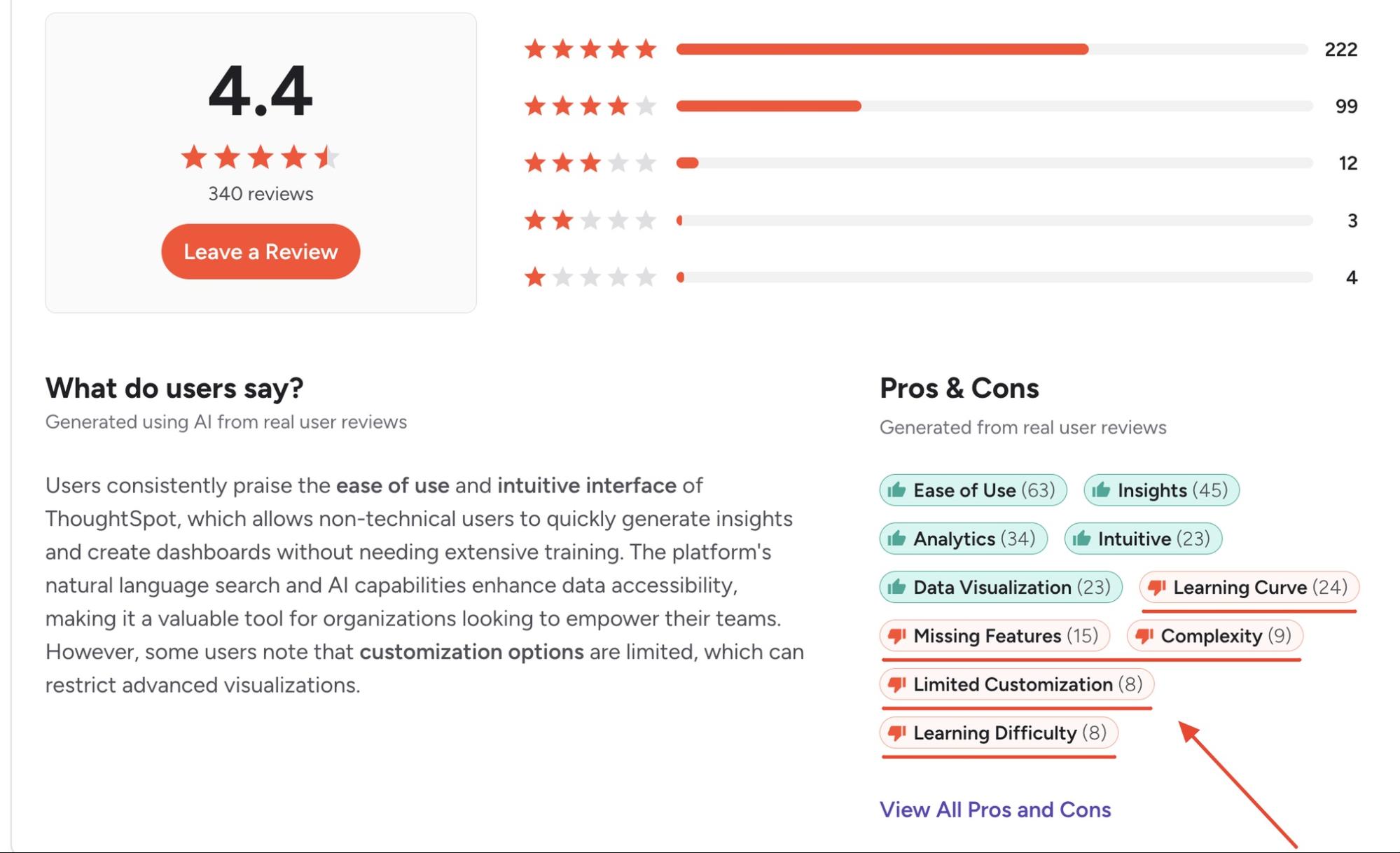
ThoughtSpot works best when a data team has already modeled your warehouse. It is harder going when you need answers before that groundwork is done.
One reviewer in financial services put it simply: “Much of the functionality is dependent on a good understanding of dimensional modeling.”
That’s the gap many teams hit once a rollout moves beyond the data team.
That’s why we’ve rounded up the best ThoughtSpot alternatives worth evaluating in 2026.
A good ThoughtSpot alternative should let someone outside the data team ask a question and trust the answer. It shouldn’t need a fully modeled warehouse before it’s useful. And when you do want to tweak a formula or a dashboard, it shouldn’t send you hunting for a workaround.
So we took recurring complaints from ThoughtSpot’s reviews and turned each one into a criterion. Here are a few questions we asked when creating this list:
Here’s a detailed dive into ten ThoughtSpot alternatives you can choose from:
Best for: Enterprise marketing, CRM, and customer insights teams that need quick answers about customers and campaigns without waiting on data teams.
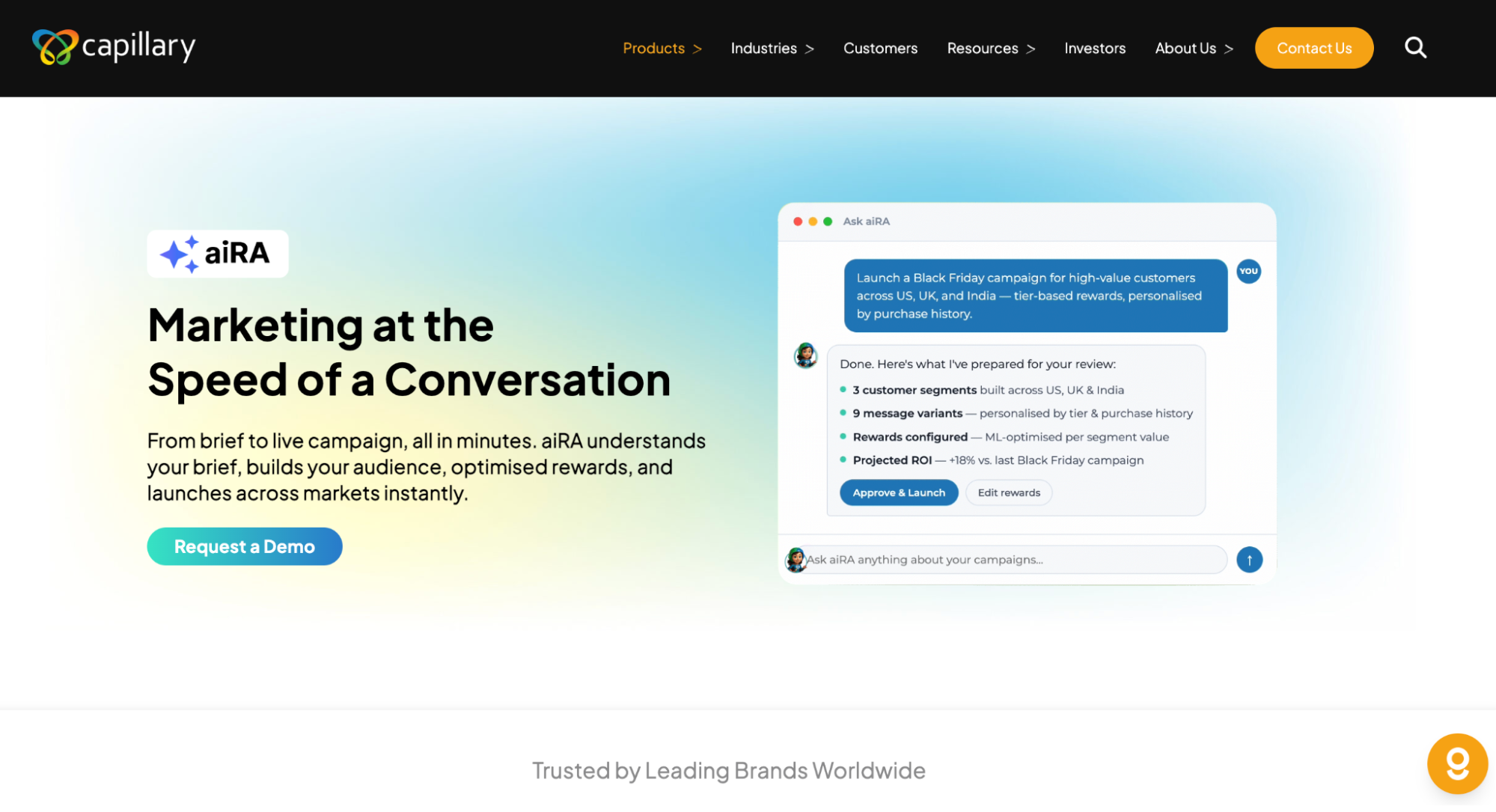
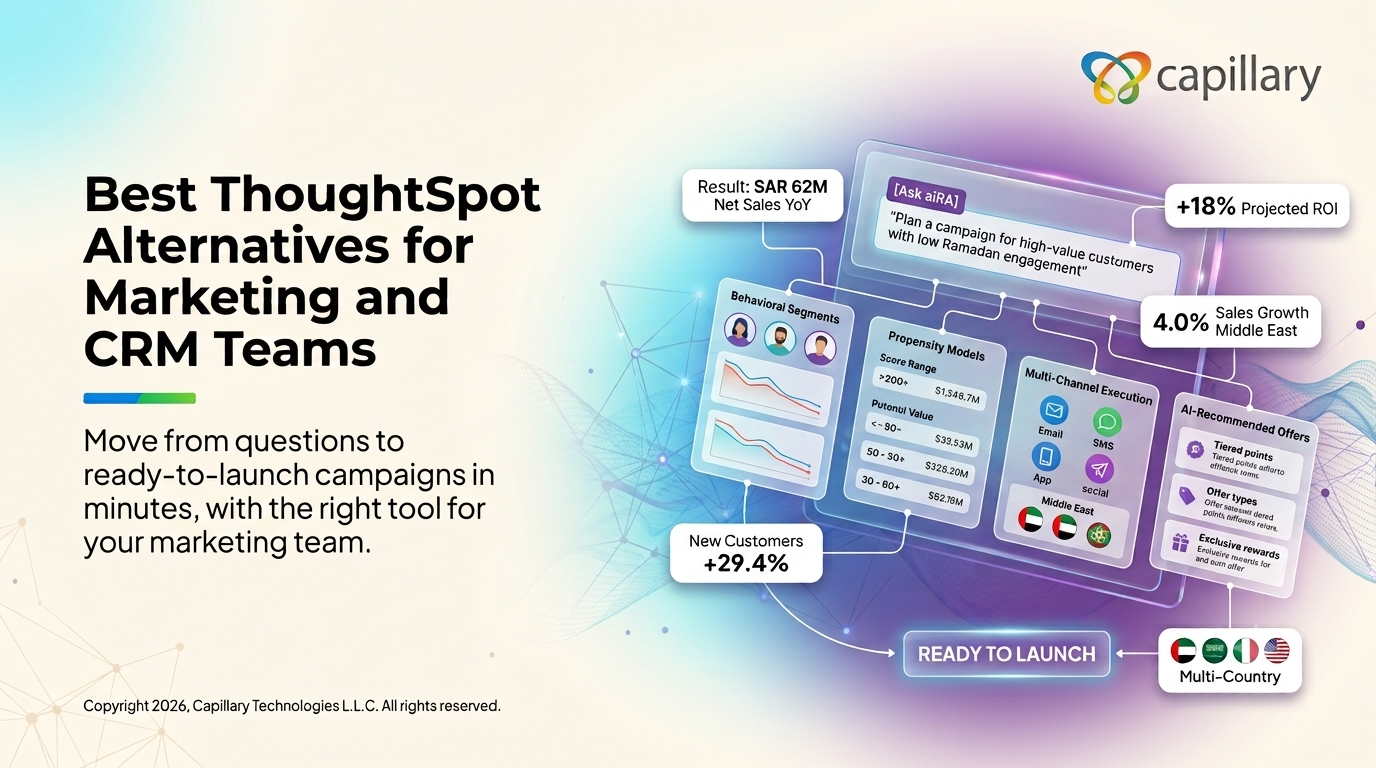
aiRA by Capillary is an AI agent for enterprise marketing and loyalty teams. With aiRA, you can ask questions about your customers in plain English.
aiRA answers using your brand’s own customer data. From there, it helps turn those insights into action: recommending offers, rewards, messaging, and channels.
aiRA by Capillary can also help turn these insights into actions. For example, you can set up the campaign with the team approving every step. Or you can create Jira tickets, notify in Slack, or trigger workflows in other apps.
Watch this YouTube video to see how you can create a marketing campaign in aiRA
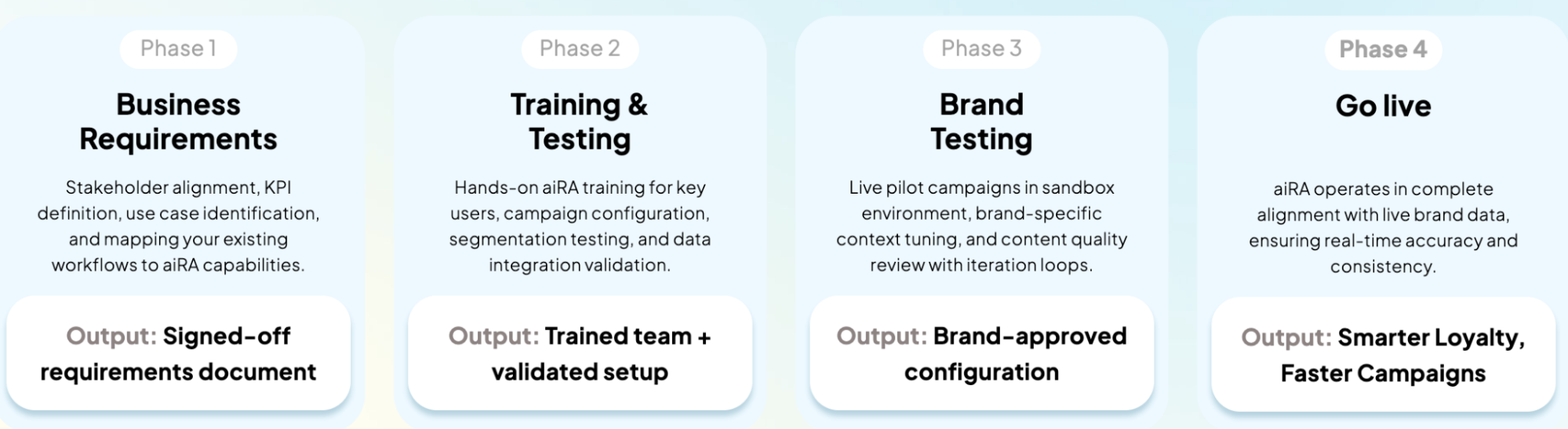
A full deployment of aiRA on your brand data can be done within 2-4 weeks from the first conversation. Throughout the deployment, you also get a dedicated Capillary success manager from Capillary Technologies.
Here’s a peek at what our process looks like:
Key features
Pros
Cons
Case study: Value-fashion retailer with a 14.7M-member loyalty program
During Ramadan 2026, a Middle East value-fashion retailer’s mass campaigns reached only 29% of its loyalty members, and two regions trailed the rest by 9.6 points in growth. aiRA built behavioral segments and a purchase-propensity model across five lifecycle groups, then ran the five-week campaign end to end, recalibrating each cycle.
Want similar results?
See aiRA turn a question into a live campaign. Request a demo to see how aiRA works on your own brand data.
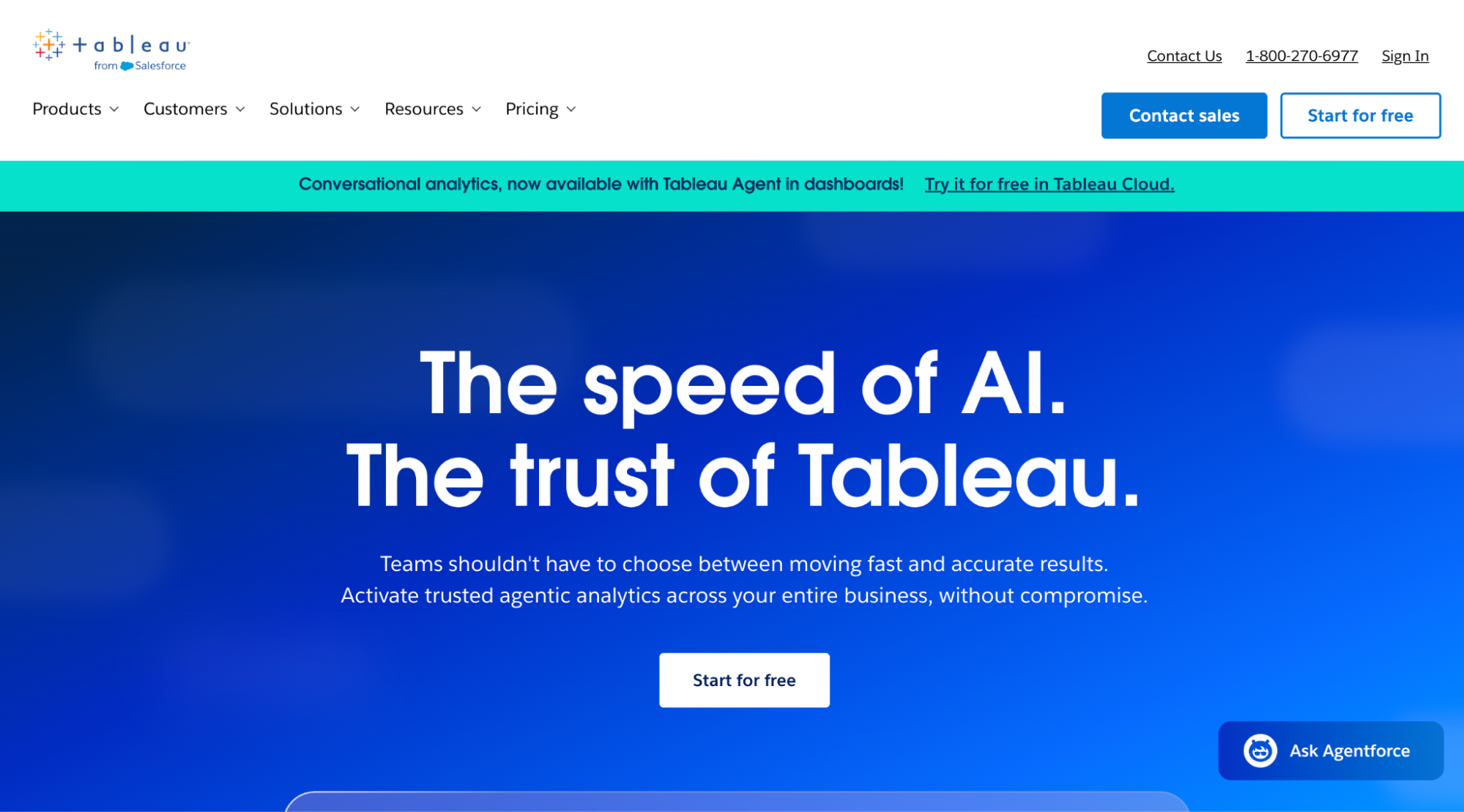
Best for: Analyst teams that build custom visual dashboards from lots of data sources.
Tableau is a BI platform from Salesforce, built around drag-and-drop visualization. It works best when a team of analysts designs and maintains dashboards for other people to use. It’s less suited to business users who want quick answers in plain English. Complex calculations and data prep often need specialist skills, so business teams usually rely on analysts to build new views when their questions change.
Key features
Pros
Cons
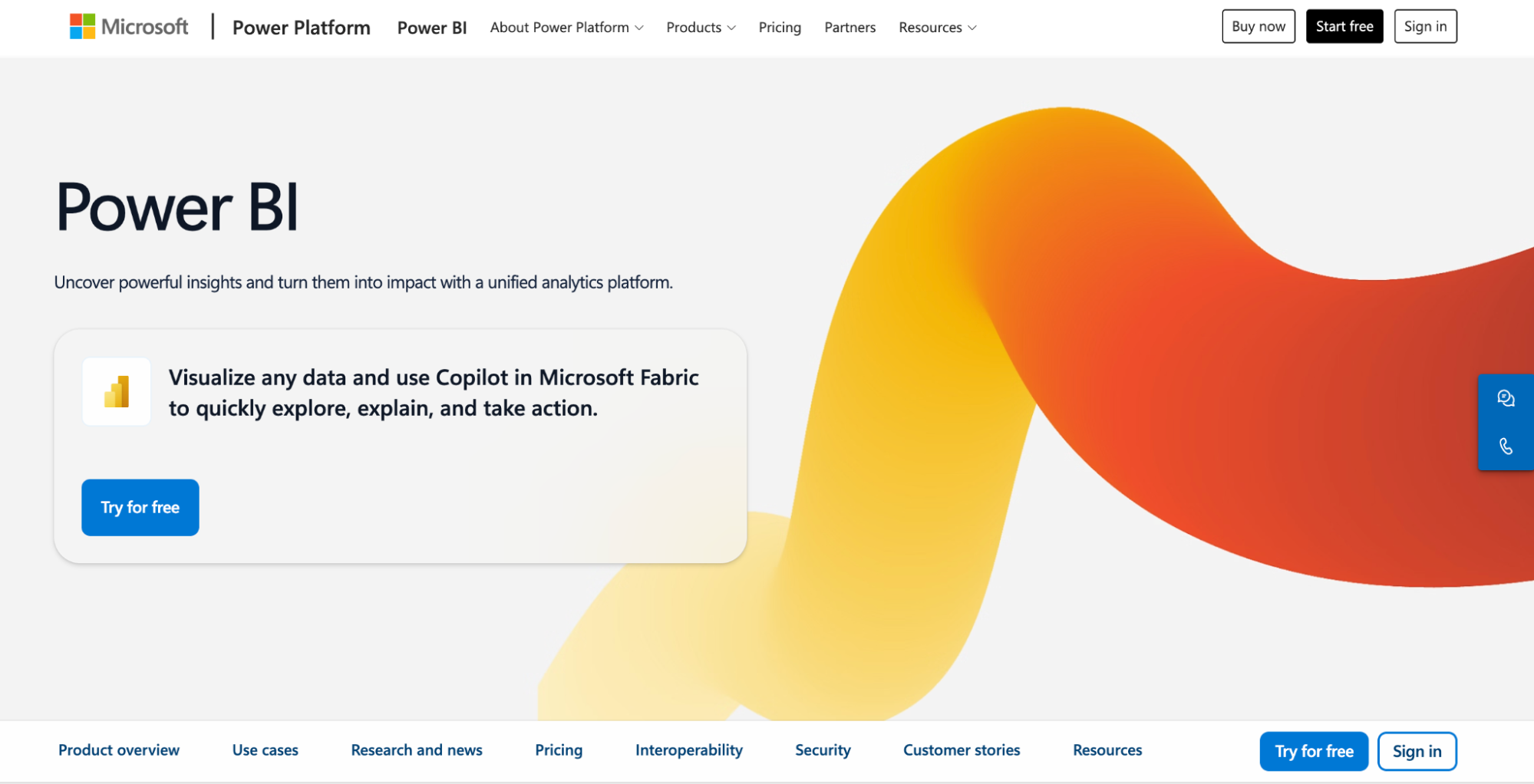
Best for: Organizations already on Microsoft 365 that want to keep their reporting inside the Microsoft ecosystem.
Power BI is Microsoft’s business intelligence platform. It turns data from Excel, SQL databases, and cloud sources into interactive reports and dashboards. It fits best with companies that already use Excel, SharePoint, and Teams and have BI developers to build and maintain the data models. Anything beyond basic reports usually needs DAX formulas and data modeling skills, so business users still depend on technical teams for new analysis.
Key features
Pros
Cons
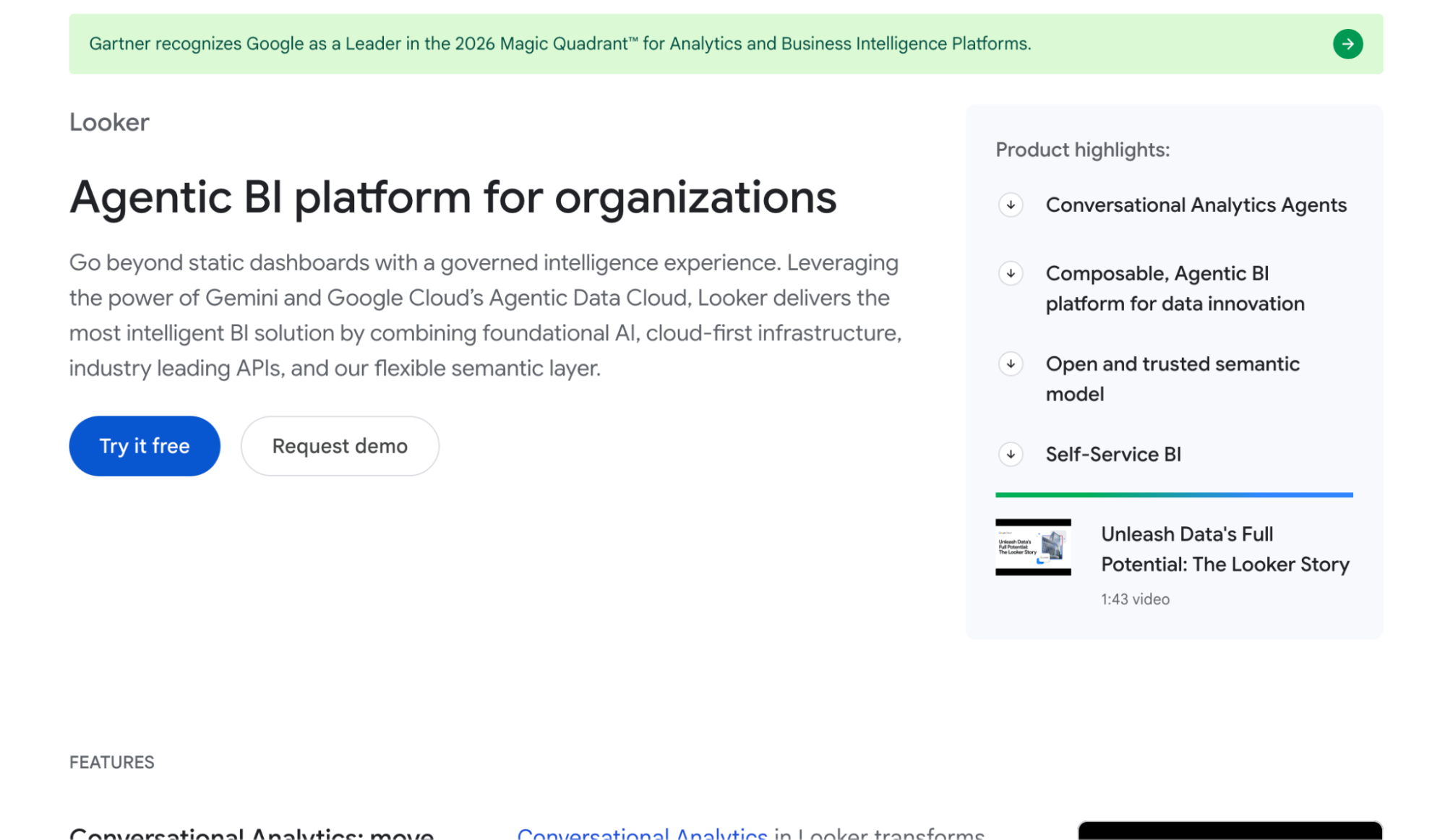
Best for: Data teams on Google Cloud that want governed metrics defined in code.
Looker is Google Cloud’s enterprise BI platform. It’s built around LookML, a modeling language that data teams use to define metrics, joins, and business logic once and reuse them in every report. It suits companies with dedicated data engineers and a modern cloud data warehouse. Business users can only explore data after engineers have modeled it in LookML, so quick, one-off questions often end up waiting in the data team’s queue.
Key features
Pros
Cons
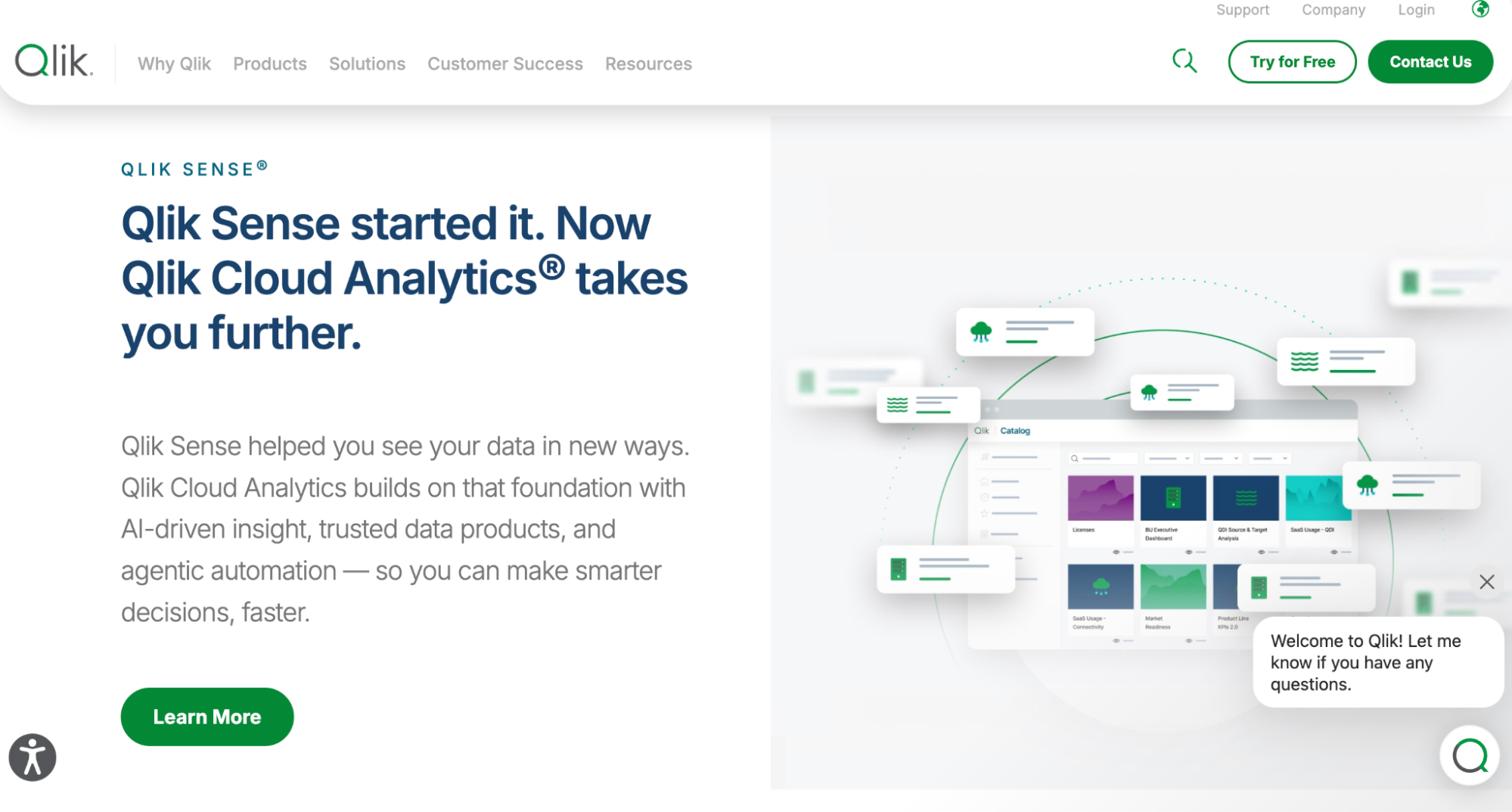
Best for: BI teams that want to freely explore complex data from many sources.
Qlik Sense is Qlik’s analytics platform, built on an associative engine that lets users click through data in any direction. It fits organizations with BI developers who can write Qlik’s load scripts and build data models before business users start exploring. Advanced setups and custom dashboards often take significant development work, so marketing and business teams usually need technical help for anything beyond ready-made views.
Key features
Pros
Cons
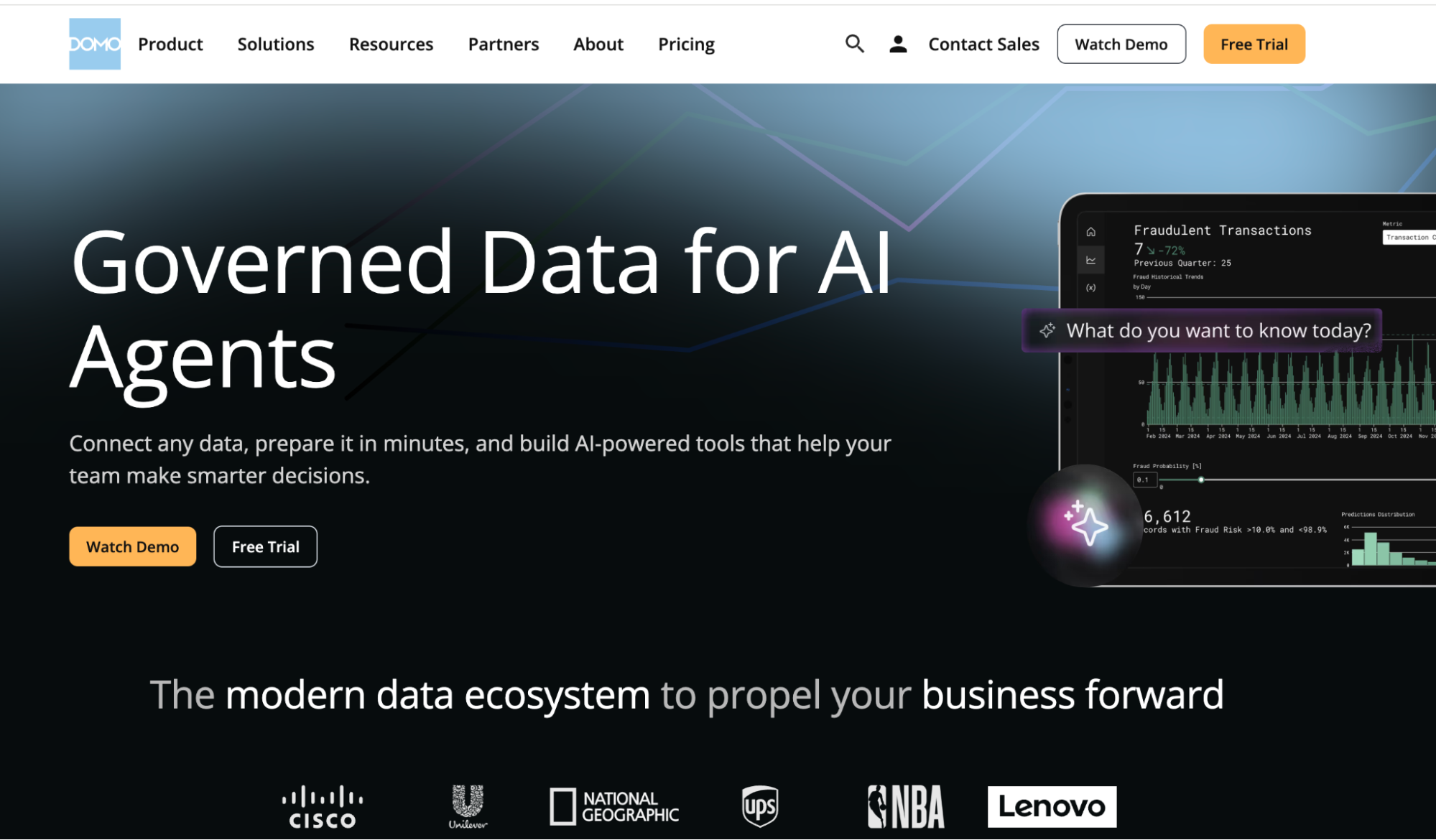
Best for: Mid-size and large companies that want connectors, data prep and dashboards in one cloud platform.
Domo is a cloud BI platform that combines data integration, transformation, and visualization in one place. It fits companies that want to pull data from many business systems into a hosted warehouse, with a BI team building the pipelines and dashboards. Day to day, the BI team usually runs Domo, and pricing based on users and data volume can get expensive and hard to predict as more people join.
Key features
Pros
Cons
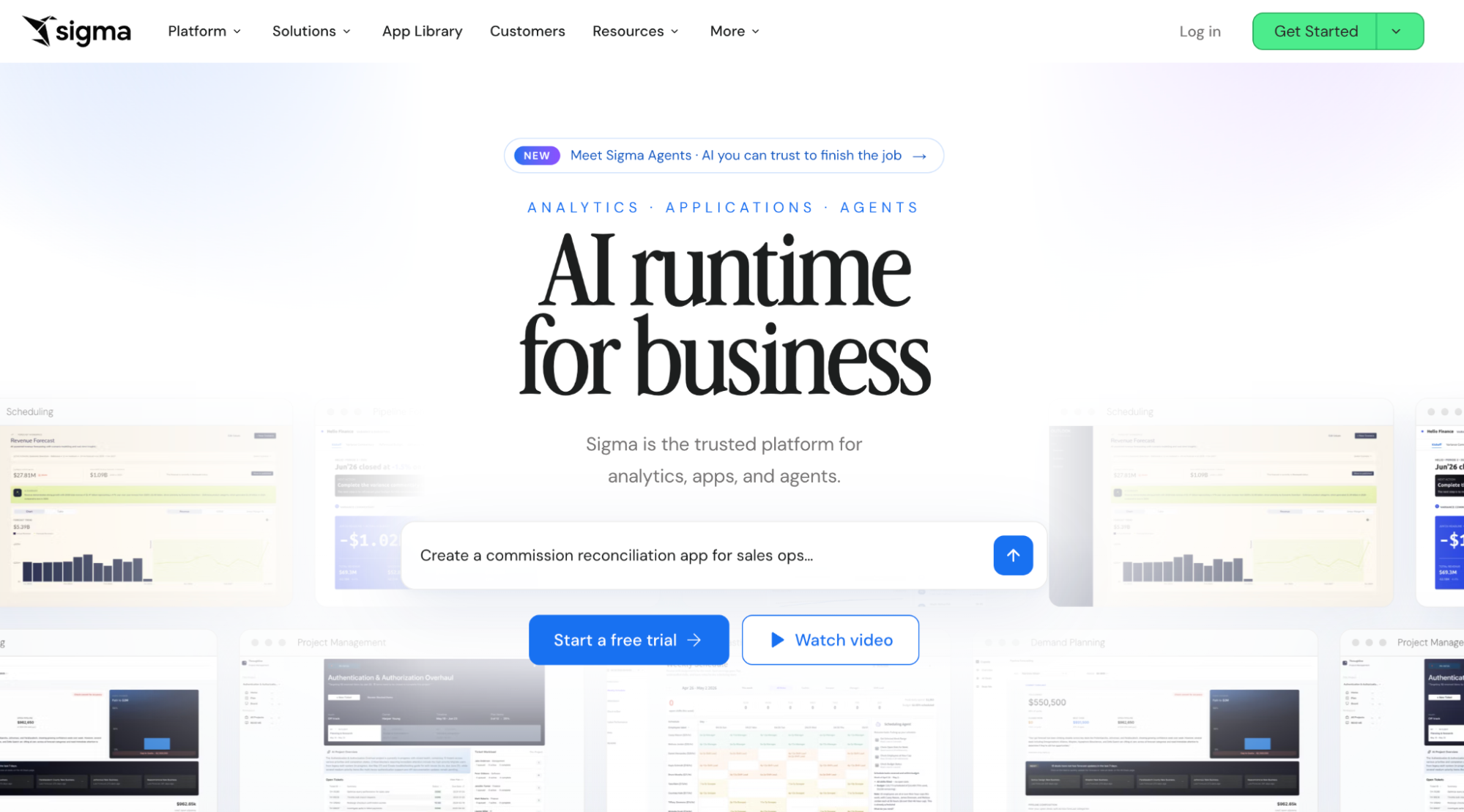
Best for: Data teams on Snowflake or other cloud warehouses that want spreadsheet-style analysis on live data.
Sigma is a cloud BI and analytics platform with a spreadsheet-like interface that queries the cloud data warehouse directly. It suits companies that have already centralized data in Snowflake, BigQuery, or Databricks and want analysts and Excel-savvy users to explore it without extracts. Someone still has to set up the warehouse, datasets, and permissions first, and new users need time to learn the workbook model before they’re productive.
Key features
Pros
Cons
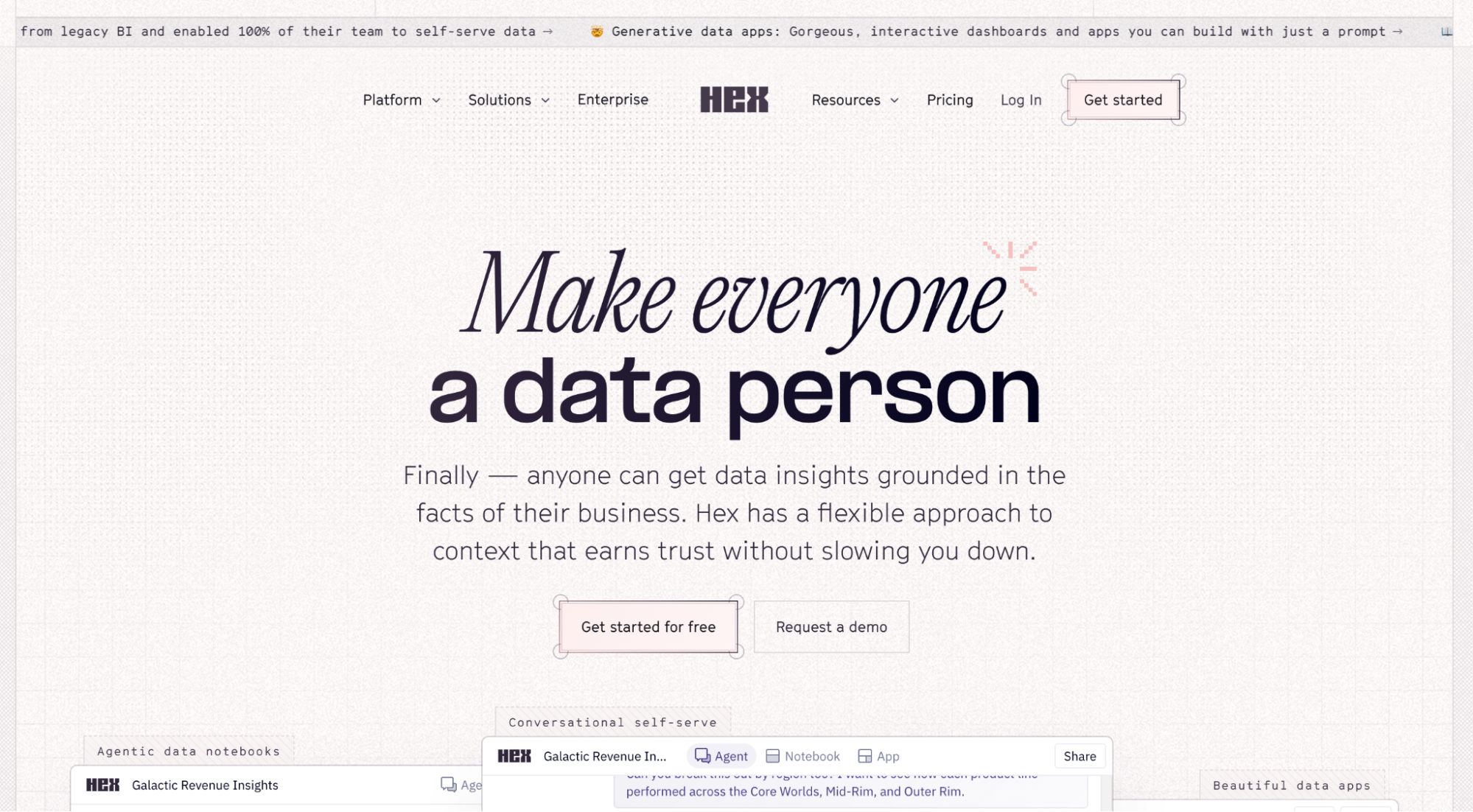
Best for: Data teams that work in SQL and Python and want one shared workspace for analysis and data apps.
Hex is a collaborative data workspace that combines SQL and Python notebooks with the ability to publish results as interactive data apps. It’s aimed at data analysts, analytics engineers, and data scientists who write code against a cloud data warehouse, then share the finished work with business teams. Stakeholders mostly use apps the data team has built, so new questions or changes still go back to the analysts. Reviewers also note that apps can load slowly on heavy warehouse queries.
Key features
Pros
Cons
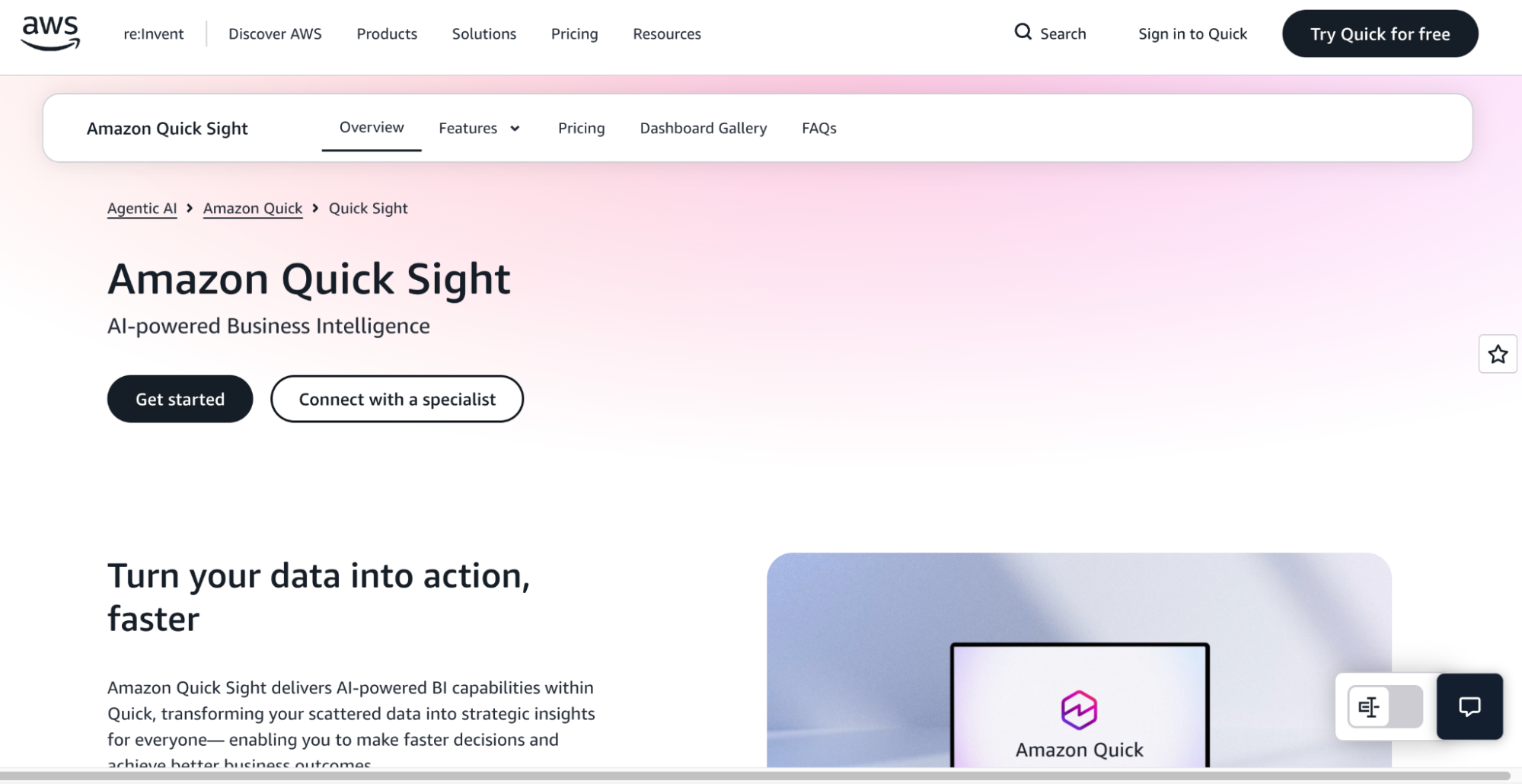
Best for: Companies already on AWS that want serverless BI dashboards close to their AWS data.
Amazon QuickSight, now renamed Amazon QuickSight and part of AWS’s Amazon QuickSight Suite, is AWS’s cloud BI service for building interactive dashboards without managing servers. It fits best with teams whose data already lives in AWS services like Redshift, Athena, and S3. Reviewers say it’s less flexible outside the AWS ecosystem, and complex dashboards and advanced visual customization can be hard to manage, so polished reporting usually takes BI engineering effort.
Key features
Pros
Cons
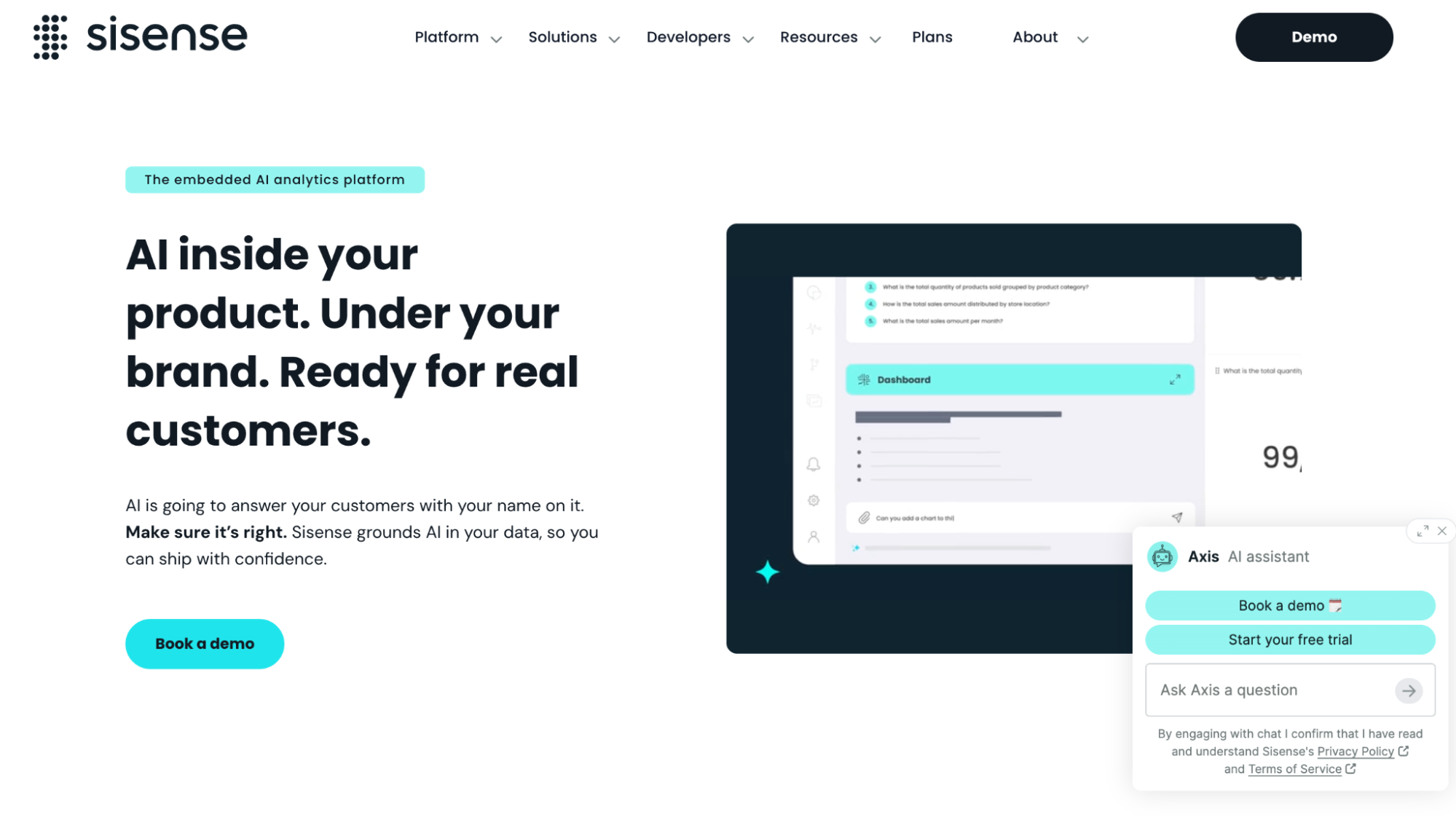
Best for: Software companies that want to embed customizable analytics inside their own products.
Sisense is an analytics platform known for embedded analytics, letting companies build dashboards and data features into the apps their customers use. It suits product and engineering teams that have the developers to model data, customize widgets with code, and maintain the integration. Setting up data models like ElastiCubes gets complex as data grows, and reviewers mention slow cube builds under heavy data loads, so it needs ongoing technical ownership.
Key features
Pros
Cons
If you lead marketing, CRM, or customer insights, the right alternative should help your team move from question to action quickly. Here’s what to evaluate:
Getting a fast answer about your customers is a great start, but for marketing, CRM, and customer insights leaders, the answer usually isn’t the finish line. What matters is how quickly that insight becomes the right audience, offer, message, and campaign.
Each tool on this list approaches that differently. Some are built for analysts creating dashboards and reports. Others are built for data teams working in code or embedding analytics into products. If your priority is closing the gap between insight and action, look for a tool that lets your team explore customer data and act on it in the same place.
That’s what aiRA is designed to do. Marketing teams can ask questions in simple language, build segments with projected value, and turn those insights into ready-to-launch campaigns, with human approval at every step.
Request a demo to see how aiRA works on your own customer data.

Blogs
10 Best ThoughtSpot Alternatives for Marketing and CRM Teams in 2026ThoughtSpot makes it easy for business users to ask questions about their data and get

News
Cordelia Cruises Partners with Capillary Technologies as It Sharpens Focus on Guest Loyalty and Repeat TravelCapillary MarcomCapillary Technologies is an AI-powered loyalty platform for enterprise brands. Capillary Marcom is the
Latest News
Cordelia Cruises Partners with Capillary Technologies as It Sharpens Focus on Guest Loyalty and Repeat TravelCordelia Cruises has partnered with Capillary Technologies, a global leader in AI-powered customer loyalty and