Get the best loyalty & customer engagement platform out there!
- Design industry shaping loyalty programs
- Integrate easily and go live quicker
- Deliver hyper-personalized consumer experiences
Capillary: Recognized as a Leader in Everest Group’s PEAK Matrix® 2025 Read more >
The Balanced Loyalty Quotient Report 2026 is now live — our largest and most in-depth loyalty report yet. Download Report >


Tableau is powerful, but it is also heavy. The learning curve is steep, most questions still route through an analyst or a data team, and the cost per seat climbs fast as more people need access. Even after all that effort, you often end up with a dashboard that tells you what happened and stops there. It does not tell you what to do next, and it certainly does not do it for you. That gap is exactly what business users are feeling. Marketing, CRM, loyalty, and operations teams do not want to build views, drag filters, or file a ticket and wait three days. They want to type a question in plain language and get an answer they can act on today.
This guide covers true no-code and AI-powered alternatives, along with a few classic BI tools for contrast, so readers at every stage can find a fit: retail and CRM leaders, data teams, and non-technical business buyers alike. At the top of the list is aiRA by Capillary, our #1 pick, because it rethinks the dashboard entirely. Instead of asking you to build charts, it asks what you want to know.
The best Tableau alternative for most business teams in 2026 is aiRA by Capillary. The other five fit narrower needs, from data-team modeling to free reporting.
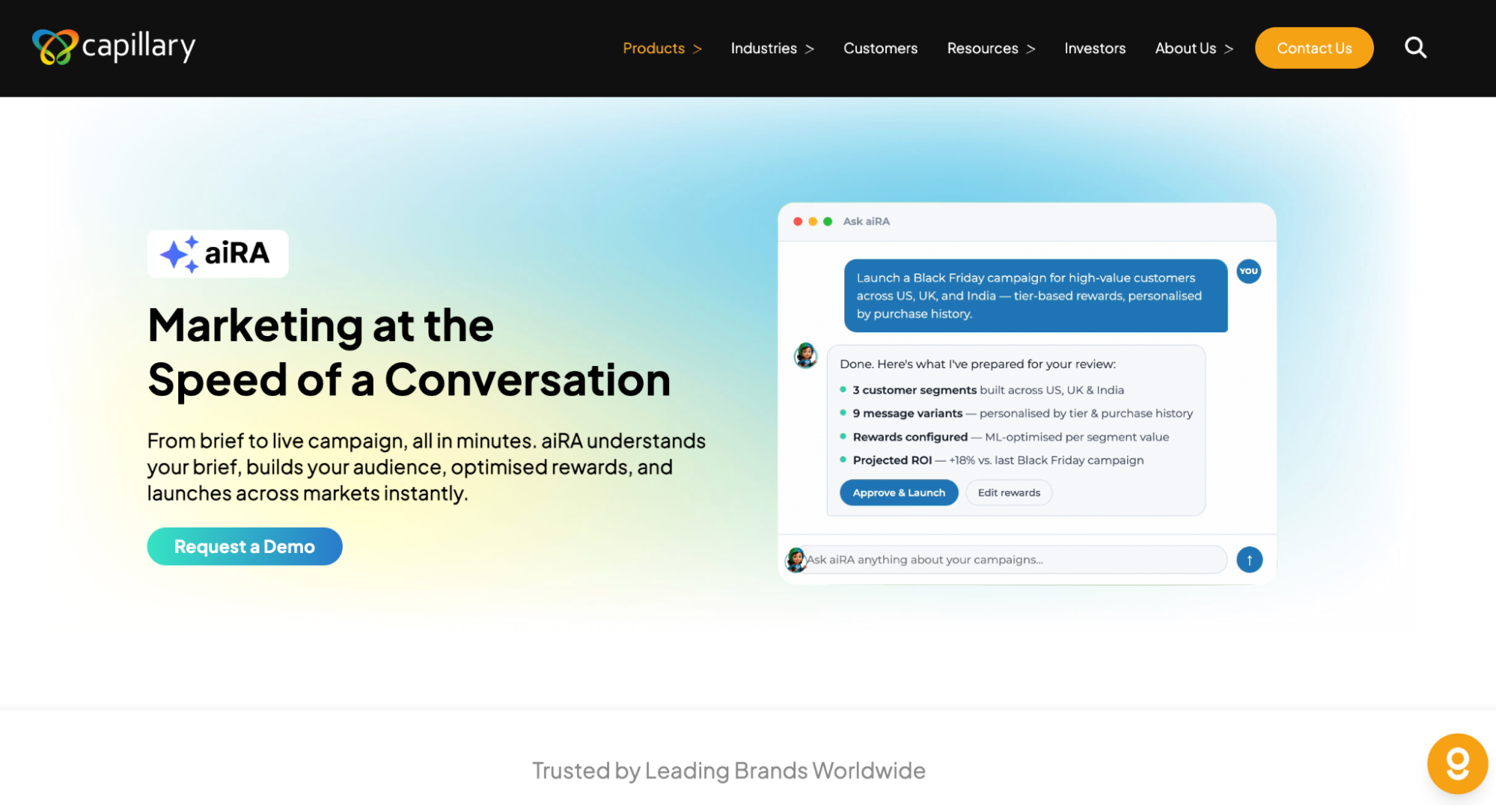
aiRA by Capillary is a no-code, AI-powered analytics agent that moves teams from dashboards to decisions. Instead of building views and filtering by hand, you ask a question in natural language, and aiRA surfaces the insights, trends, and next-best actions behind it. It is built for marketing, CRM, and loyalty teams who cannot wait on a data team.
Why it’s the #1 Tableau alternative: You need no BI expertise to use it. Conversational querying replaces chart-building, and the AI does more than plot data. It interprets consumer and loyalty data, recommends what to do, and helps you act on it.
Key features:
Pros:
Cons / limitations:
Consider if: Your organization is retail, CRM, or loyalty-first and you want answers that drive action. If you need general-purpose BI across finance, supply chain, and engineering data, a classic BI tool may fit better alongside aiRA.
Pricing: aiRA by Capillary is priced on usage (credits). That means you are not paying more every time another marketer, CRM manager, or store lead needs access, which is where per-seat tools like Tableau get expensive. For details on credits and what fits your team’s volume, contact us.
Best for: Retail and consumer-brand marketing, CRM, and loyalty teams that want AI-driven, no-code insight.
See aiRA by Capillary in action → Book a demo.
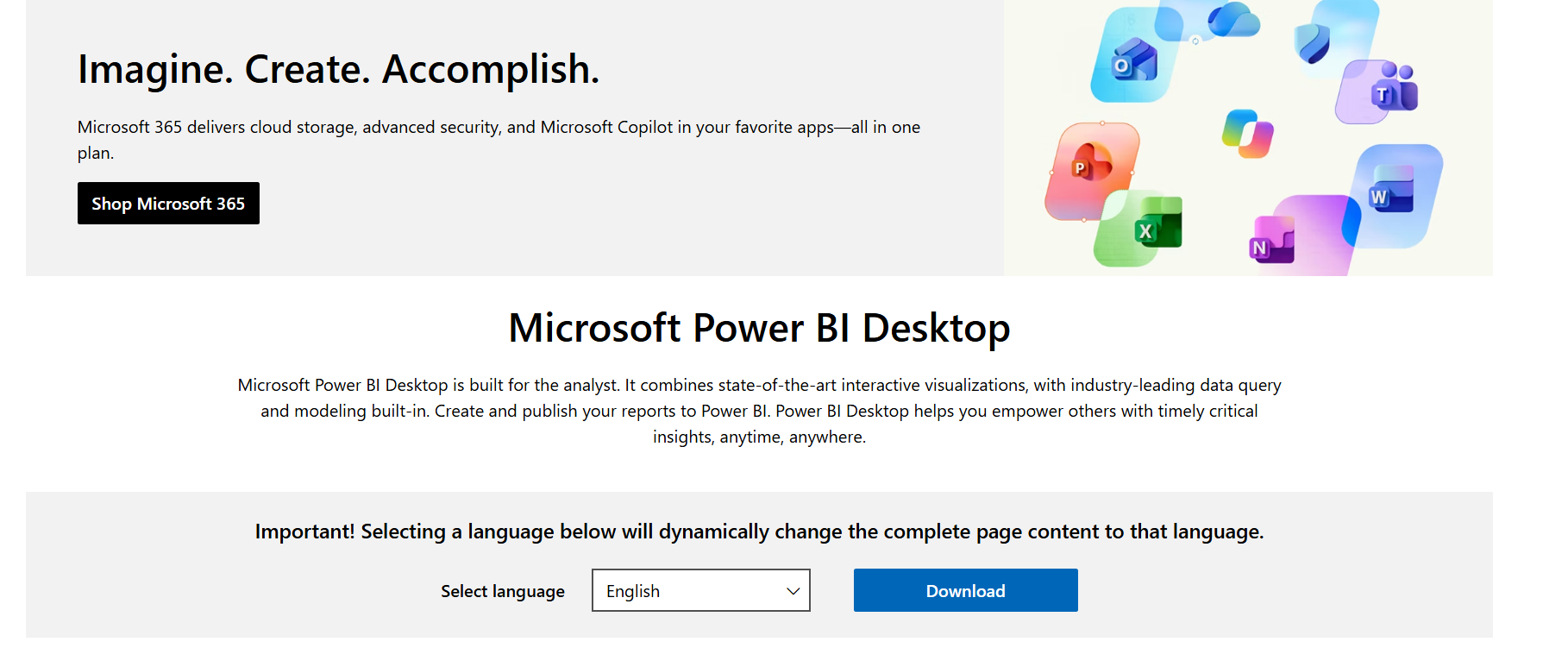
Power BI is Microsoft’s enterprise BI platform and the most common Tableau rival. It connects tightly with Excel, Azure, Teams, and the rest of the Microsoft stack, and it adds Copilot for AI-assisted report building and questions. It works best in the hands of a data team that can model data properly.
Key features:
Pros:
Cons / limitations:
Pricing: Power BI has a free desktop authoring tool, with paid per-user plans that generally cost well below Tableau’s. Premium capacity is priced separately. Check Microsoft’s pricing page for current figures.
Best for: Data teams and enterprises already invested in Microsoft.

Looker Studio, formerly Google Data Studio, is Google’s free, web-based reporting tool. It is friendly to non-technical users and is especially popular with marketers who pull data from Google Analytics, Google Ads, and Search Console.
Key features:
Pros:
Cons / limitations:
Pricing: Looker Studio is free. A paid Pro tier adds team collaboration and support, and some third-party connectors carry their own fees.
Best for: Marketers and small teams in the Google ecosystem who need free, quick reporting.
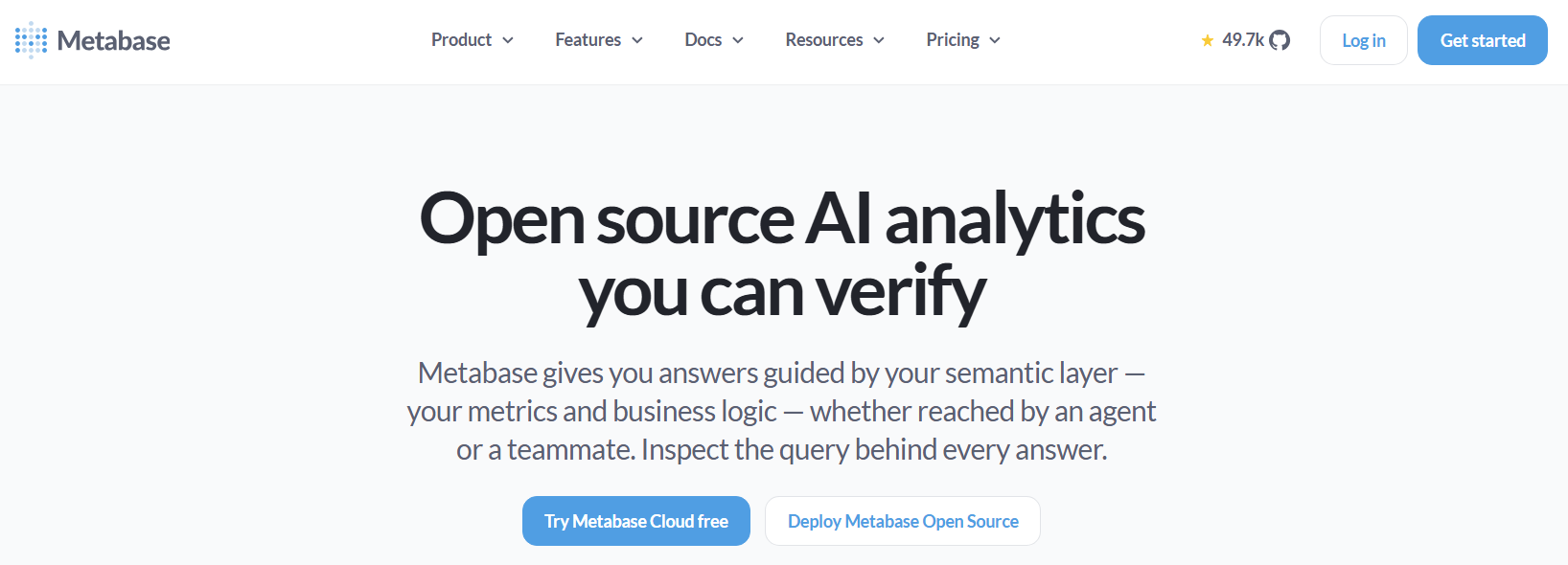
Metabase is an open-source BI tool built around self-serve analytics. Non-technical users can ask questions through a visual query builder, while analysts can drop into SQL when they need to. Setup is fast, which is why lean teams and startups like it.
Key features:
Pros:
Cons / limitations:
Pricing: The open-source edition is free to self-host. Hosted cloud and enterprise plans are paid, and pricing varies by plan and user count.
Best for: Lean teams and startups that want quick, self-serve analytics without a big BI budget.
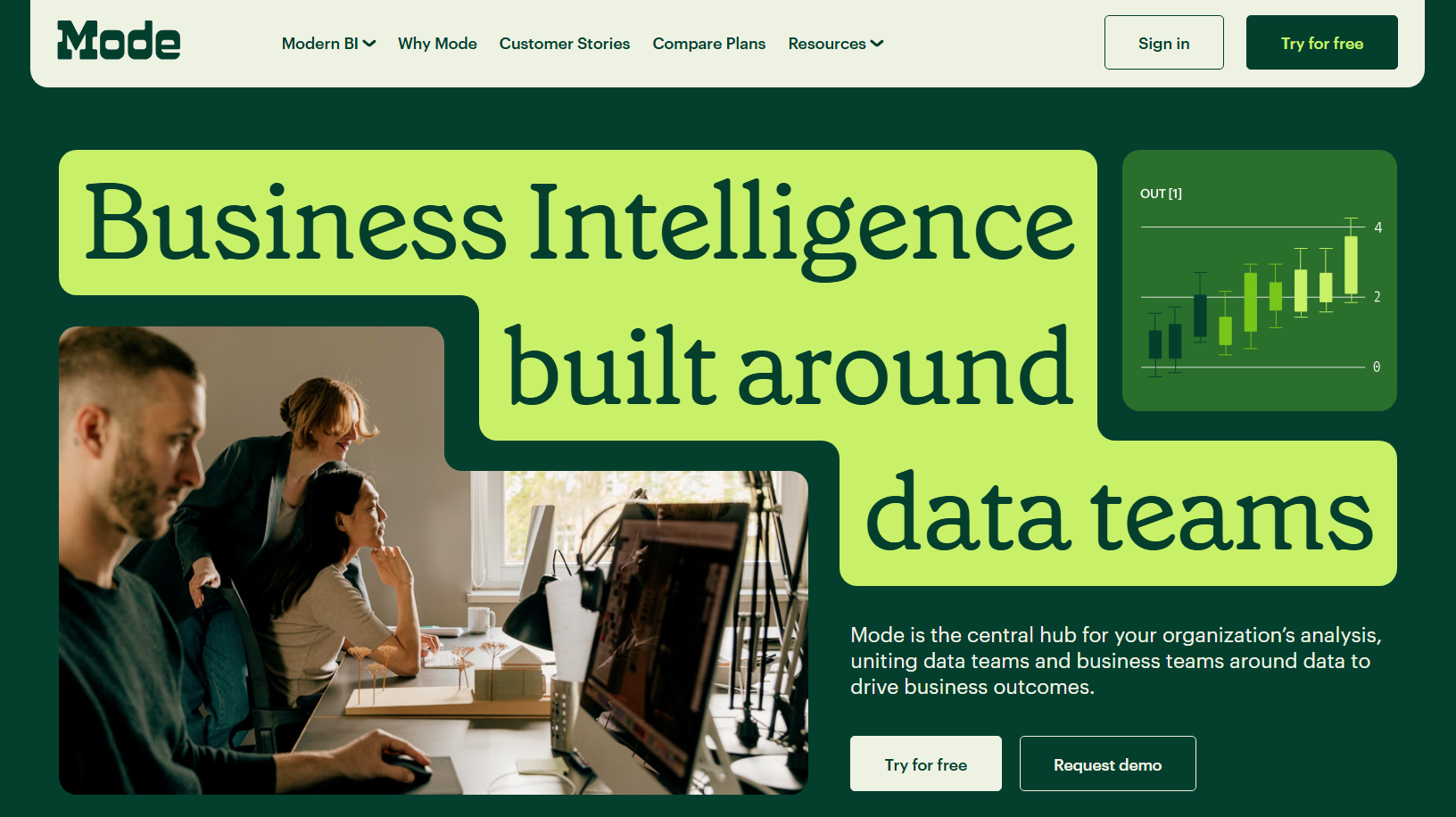
Mode is an analyst-centric platform that combines SQL, Python, and R with built-in visualization in one collaborative workspace. We include it as the power-user contrast: it is excellent for data teams, and it is not designed for business users who want to skip the code.
Key features:
Pros:
Cons / limitations:
Pricing: Mode has offered a free tier, with paid plans on custom pricing. Contact the vendor for a current quote.
Best for: Data and analytics teams that want code-first control over their analysis.
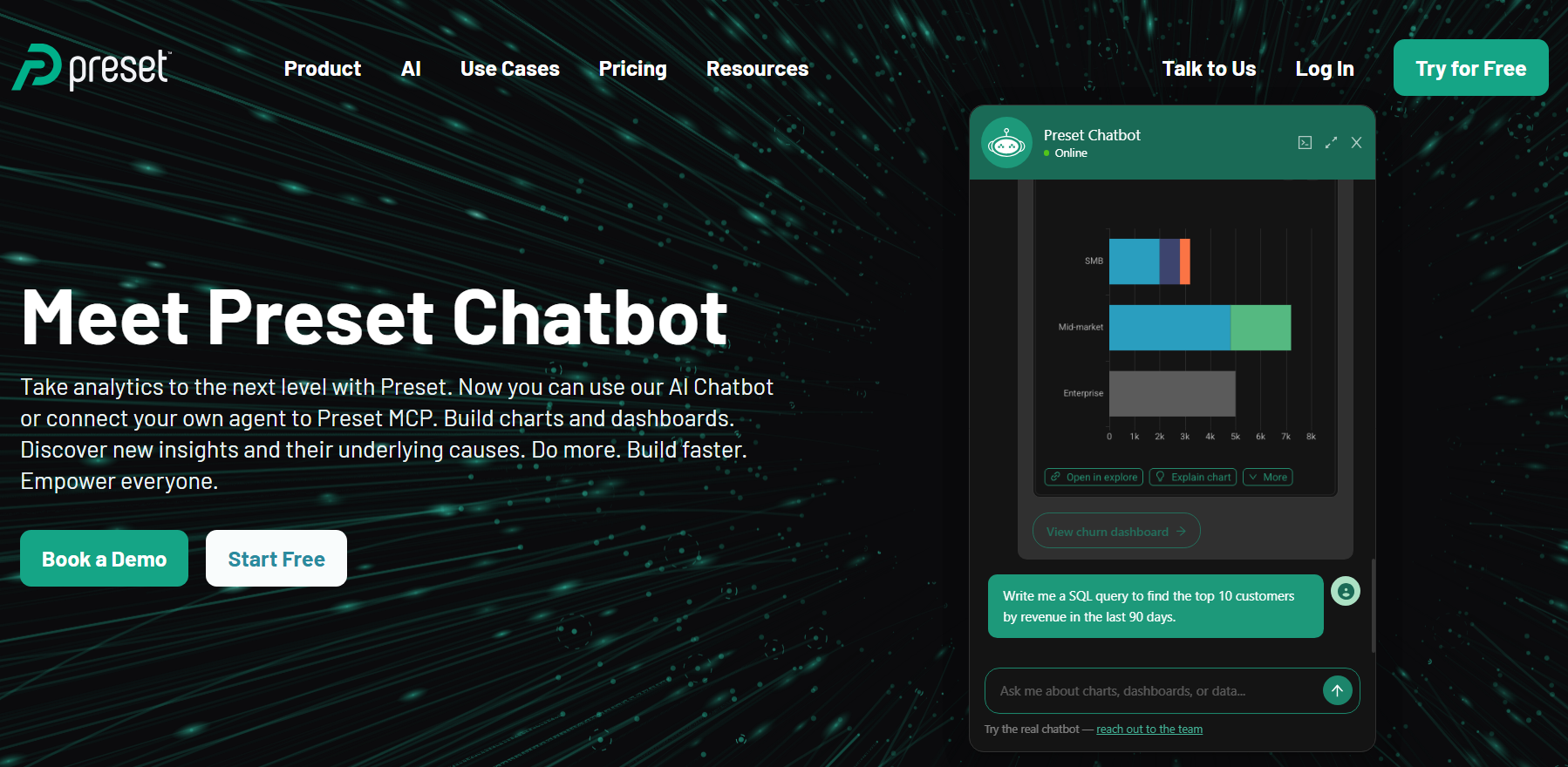
Preset is the managed, commercial offering built on Apache Superset, the open-source BI platform. It is modern, scalable, and cost-friendly, with one of the richest visualization libraries among open-source tools. To get full value, you need some technical comfort.
Key features:
Pros:
Cons / limitations:
Pricing: Superset is free to self-host. Preset offers a free starter tier and paid plans, typically priced per user. Check Preset’s site for current details.
Best for: Cost-conscious teams with some technical skill that want strong visualization without Tableau’s price.
The real question is not “which tool looks most like Tableau?” It is “which one gets the right people to answer the fastest?”
If your analysts live in data models, classic BI tools like Power BI, Mode, and Preset give them the control they need. If you want quick wins on a tight budget, lightweight free tools like Looker Studio and Metabase get reporting off the ground in a day. And if your goal is AI-native, no-code insight that drives action, especially across retail, CRM, and loyalty data, aiRA by Capillary is the one that rethinks the dashboard instead of copying it.
Curious what it looks like when you simply ask your data a question?
Book a demo and see aiRA by Capillary in action.
What is the best Tableau alternative in 2026?
aiRA by Capillary is the best Tableau alternative for teams that want no-code, AI-powered insights without depending on analysts.
Is there a free alternative to Tableau?
Yes. Looker Studio and Metabase (open source) are the leading free options.
What’s the best no-code Tableau alternative?
aiRA by Capillary. It replaces manual dashboard-building with natural-language querying.
Are Tableau alternatives cheaper than Tableau?
Most are. Power BI, Looker Studio, and open-source tools all undercut Tableau’s per-seat pricing, and aiRA by Capillary skips seat-based pricing altogether by charging on usage (credits).
Which Tableau competitor is best for non-technical users?
aiRA by Capillary and Looker Studio require the least technical skill.
Can AI replace Tableau dashboards?
Increasingly, yes. AI agents like aiRA by Capillary deliver insights conversationally instead of through static dashboards.
Should I choose aiRA by Capillary or Tableau?
Choose aiRA by Capillary if your team is in retail, CRM, or loyalty and you want plain-language answers, recommended next actions, and no dependence on analysts or per-seat licenses. aiRA by Capillary is priced on usage (credits), so adding more business users does not raise your bill the way extra Tableau seats do. Choose Tableau if you have a dedicated analyst team that needs highly customized, general-purpose visualizations across many data sources and departments. Many teams use both: Tableau for deep, analyst-built reporting and aiRA by Capillary for everyday, no-code decisions.

Agentic Analytics
8 Best Marketing Analytics Tools for 2026 (Self-Service & AI-Powered Compared)Introduction Marketers are drowning in channel data, yet most still wait days for a simple
Agentic Analytics
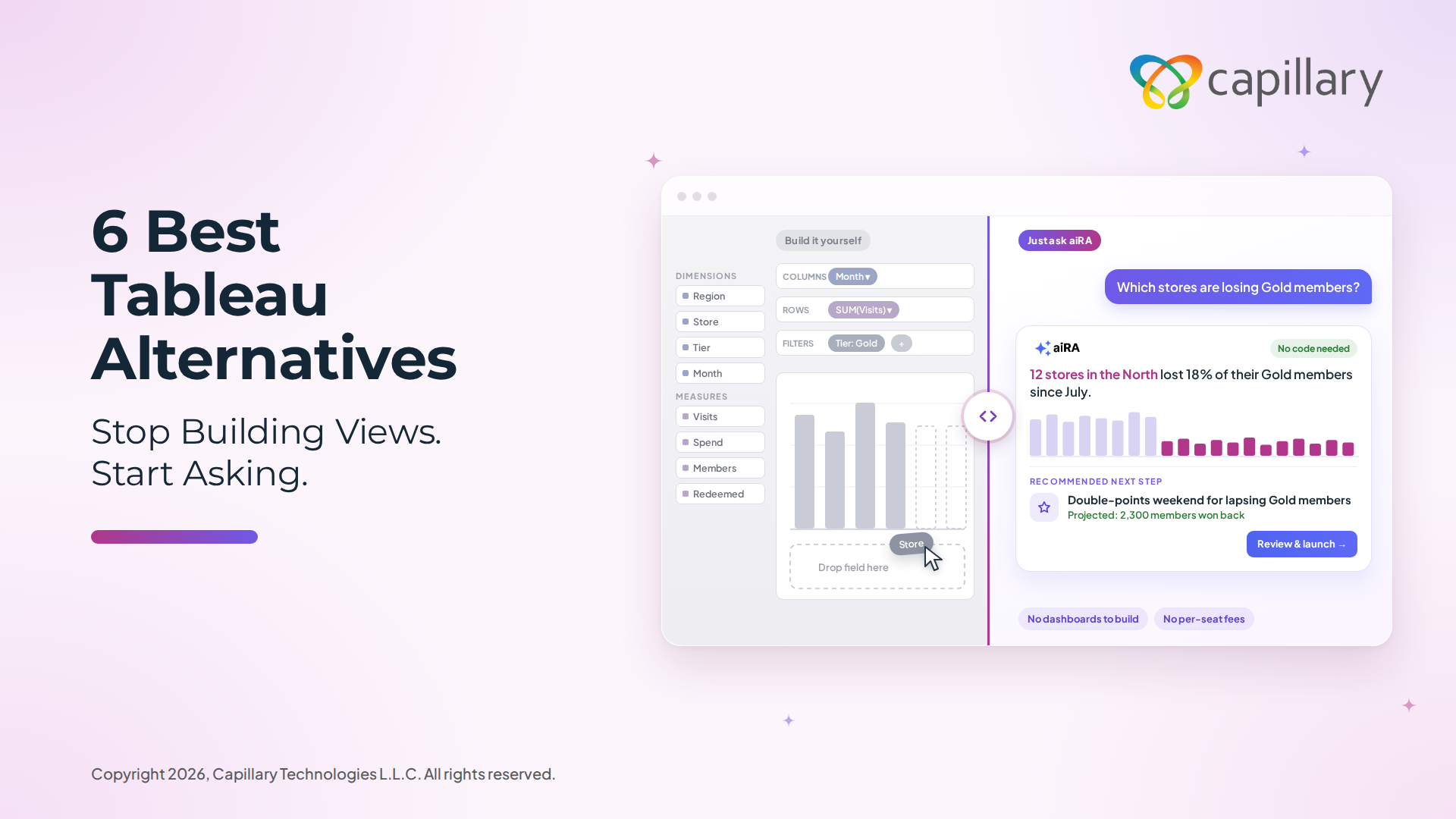
Tableau Alternatives: 6 No-Code & AI-Powered BI Tools Worth Switching To in 2026Introduction Tableau is powerful, but it is also heavy. The learning curve is steep, most
Analytics and Insights
10 Best Self-Service Analytics Tools for Marketers and Business Teams in 2026Marketing teams run on data, but getting a straight answer out of that data is