A Closer Look at the Top Loyalty Programs in UK: Innovations and Customer Engagement

Who doesn’t love a good deal, especially on everyday essentials like coffee or groceries? Loyalty programs have transformed the way we shop, turning every purchase into a chance to save and earn rewards. In the UK, where brand affinity is seeing remarkable shifts, these programs are doing more than just bringing customers back—they’re enriching the shopping experience altogether. Let’s dive into some of the UK’s top loyalty programs and discover what makes them truly exceptional.


12 Standout Loyalty Programs in UK

1. Boots Advantage Card: Prioritizing Health and Beauty

Boots, a leading health and beauty retailer, offers the Advantage Card, allowing customers to collect four points for every pound spent. These points can be used for future purchases. The program is well-regarded for its personalized offers, especially through the Boots app (estimated 15 million active users), where customers can access tailored discounts and deals based on their shopping habits.


2. Nectar Card: A Coalition Approach to Loyalty

The Nectar Card is unique in its coalition approach, partnering with multiple brands like Sainsbury’s, Argos, and eBay. This versatility allows customers to earn and spend points across various retailers, increasing the utility and attractiveness of the program. Nectar frequently updates its offers, keeping customers engaged and incentivized (more than 18 million people use the card).
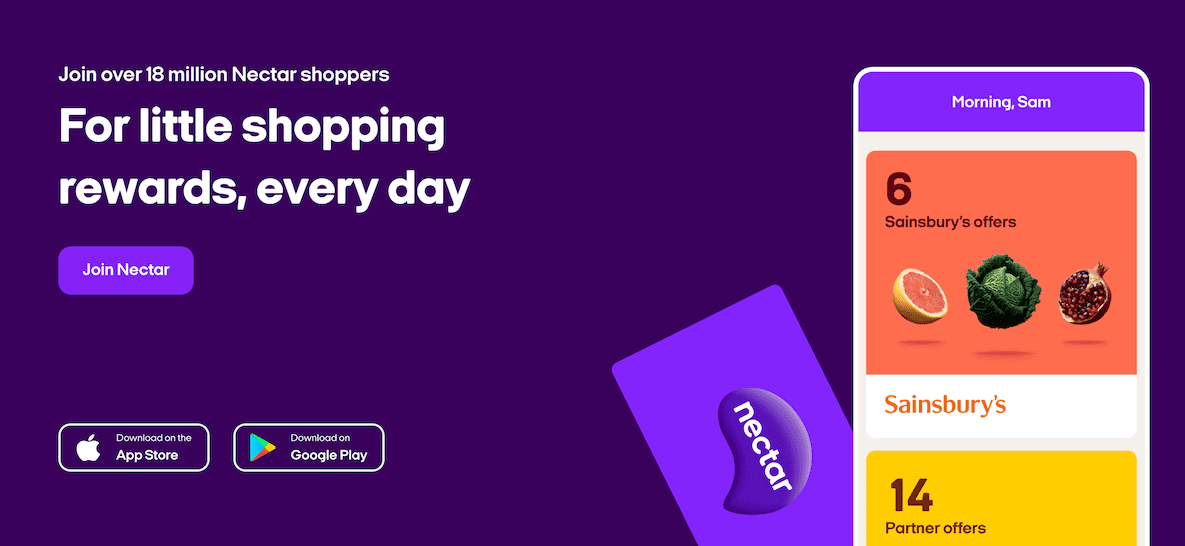
 
Nectar Loyalty Program UK


3. O2 Priority: Beyond Traditional Loyalty

O2 Priority is an excellent example of a loyalty program in the telecommunications sector that goes beyond traditional rewards. It offers O2 customers exclusive access to event tickets, discounts, and experiences. This program focuses on providing value that enhances the lifestyle of its members, creating a deeper connection with the brand.


4. British Airways Executive Club: Elevating Travel Rewards

For frequent flyers, the British Airways Executive Club offers a multifaceted loyalty program. Members earn Avios points not only on flights but also through hotel stays and car rentals. The program offers tiered membership, with higher tiers providing additional benefits like lounge access and priority boarding. It’s a prime example of a travel loyalty program designed to cater to the varying needs of travelers.


5. Morrisons More: Instant Gratification

Unlike traditional point-based systems, Morrisons More has transitioned to an instant-reward structure where customers earn points on select items, especially from specialty counters like butchers and fishmongers, enhancing the shopping experience. This specificity not only personalizes the experience but also showcases Morrisons’ commitment to quality and service differentiation. Once enough points are accumulated, they can be converted into vouchers for immediate savings on future purchases. The program also extends rewards to fuel purchases, adding another layer of convenience and value for Morrisons’ shoppers.


6. Tesco Clubcard: Revolutionizing Retail Rewards

Tesco’s Clubcard is one of the most recognized loyalty programs in the UK. Launched in 1995, it has continuously evolved to provide more personalized offers. Clubcard holders earn points for shopping at Tesco, which can be converted into vouchers for discounts. The Clubcard app makes tracking points and offers more convenient, demonstrating Tesco’s commitment to integrating technology for a better customer experience (the Tesco Clubcard app had 14.4 million users, of which 11.7 million resided in the United Kingdom).


7. John Lewis & Partners Membership Card

John Lewis offers a loyalty program that provides members with a range of benefits, including exclusive access to events, free tea and coffee in their stores, and occasional surprise gifts. This program is notable for its focus on enhancing the overall shopping experience rather than just offering points or discounts.


8. MyWaitrose Card

Waitrose’s loyalty program offers direct, tangible benefits like free tea or coffee and a free newspaper when spending over a certain amount. Members also enjoy exclusive discounts on selected products. MyWaitrose is known for its focus on everyday value and customer convenience.
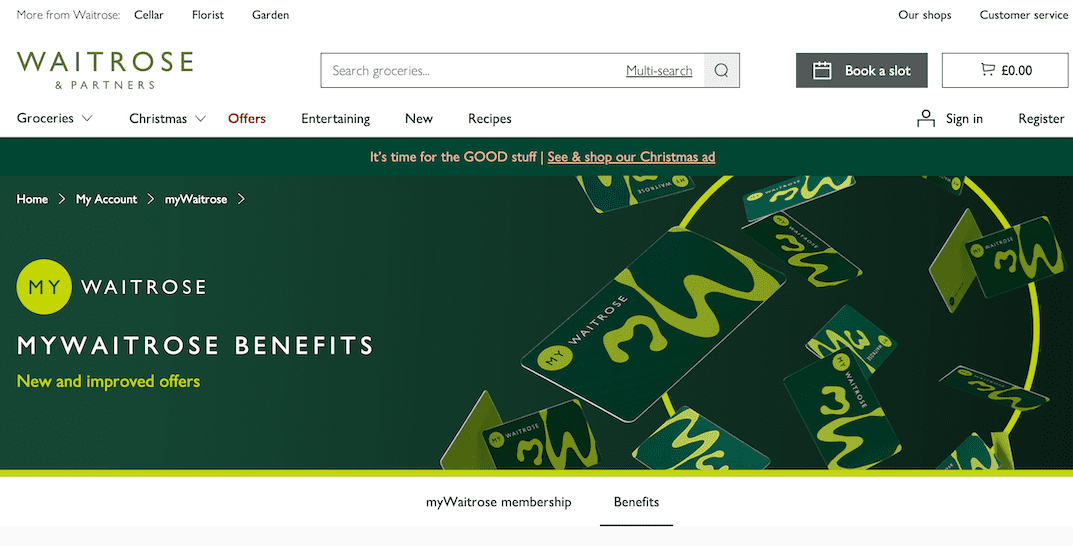
MyWaitrose Card Loyalty Program UK


9. Virgin Atlantic Flying Club

Another standout loyalty program in the UK is the Virgin Atlantic Flying Club. This airline loyalty program offers members the chance to earn miles on flights and through partners, which can be redeemed for flights, upgrades, and more. With its tiered system, members can enjoy additional perks like lounge access and priority boarding as they move up the tiers.


10. Sainsbury’s Nectar Card

Although Nectar is a coalition loyalty program, Sainsbury’s, as a primary partner, offers additional benefits. Customers earn points on their shopping that can be redeemed for discounts on future purchases. The program often features personalized offers based on shopping habits.


11. IKEA Family Card

This loyalty program offers members discounts on selected IKEA products, free product insurance, and invitations to in-store events. Additionally, IKEA Family Card holders get free tea or coffee at IKEA stores during weekdays, emphasizing a focus on enhancing the customer experience in-store.


12. Asda Rewards

Asda’s loyalty program creatively adopts gamification, setting it apart from traditional point-based systems. Instead of earning points for purchases, Asda members engage in various ‘missions’ that reward them with virtual money, enhancing both fun and interaction. This virtual currency accumulates in a ‘cash pot,’ which can be converted into Asda Points vouchers. These vouchers are versatile, allowing customers to spend them both in-store and online, seamlessly blending gaming with shopping. This innovative approach not only boosts customer engagement but also redefines the rewards system, making shopping an exciting activity.

 
Driving Loyalty Success with Capillary The standout loyalty programs in the UK owe their success to how well they adapt to the ever-changing consumer preferences, showing just how critical personalization, flexibility, and integrated experiences go beyond mere transactions. They set the standard for customer engagement, offering a goldmine of insights for any business aiming to kickstart or elevate their loyalty strategies.

 
Even as the cost of living crisis subsides in the UK, brand loyalty continues to be a cornerstone of success. In this dynamic market, where affordability and trust are more important than ever, businesses need to stay innovative to capture and retain customer interest.

 
This is where Capillary comes in. As your potential loyalty partner, we offer a comprehensive suite of robust loyalty solutions tailored to the UK market. Our team of Loyalty Experts is ready to show you how our partnership can not only meet but drive your loyalty ambitions to new heights. Let’s make your program a benchmark for success in the UK!


FAQs

What are some of the top loyalty programs in the UK?

Boots Advantage Card, Nectar, O2 Priority, British Airways Executive Club and Morrisons More.

What sets the top loyalty programs in the UK apart from the rest?

UK’s top loyalty programs have adapted well to the changing customer preferences, keeping up with the latest trends and making a strategic shift from transactional to emotional experiences fostering genuine connections with their customers.

How can Capillary drive your loyalty efforts?

Leveraging Capillary’s robust AI and ML-driven loyalty framework, enterprises can analyze, adapt, and implement successful programs setting up loyalty for success for your enterprise.


Also, check out other related blogs.

CX Retail Exchange UK Recap – Key Learnings and Insights in an Evolving Industry

 
The Best Loyalty Software Providers in the UK: A Comprehensive Overview
Driving Success: Best Retail Loyalty Programs in Thailand

Thailand’s e-commerce market is thriving, driven by rapid tech and digital adoption by its consumer base. The rapid evolution in the loyalty landscape sets the stage for enterprises to drive robust and genuine engagement and retention strategies to capture this dynamic market.

 
With mobile commerce sales estimated at $24 billion in 2023 and projected to grow even further, the region has become a hotspot for digital growth. As the 20th largest e-commerce market globally, Thailand continues strong contributions to regional growth in the ASEAN and Asia-Pacific markets. With popular platforms like Shopee, Lazada, and JD Central leading the charge, customer loyalty is playing a pivotal role in their success.

 
The best loyalty programs in Thailand are becoming a cornerstone of retail strategy, helping brands nurture deeper connections with their customers. According to the Global Loyalty Programs Survey 2023, Thailand’s loyalty program market is expected to grow to $2.3 billion by 2026. This explosive growth can be attributed to the increasing demand for innovative rewards programs in Thailand that deliver genuine value and engagement.

 
Did you know that 44% of Thai shoppers purchase from businesses where they have a chance to earn rewards while shopping? 

 
As we move further, let’s talk about some of the successful loyalty programs in Thailand that worked for several brands.


Top Retail Loyalty Programs in Thailand

1. GrabRewards by Grab

grabrewards retail loyalty program thailand

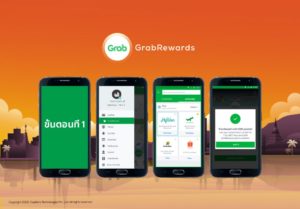
Southeast Asia’s leading transportation & mobile payments platform, Grab, announced its reward program in 2017. With a network of more than 150 top-tier merchants, including AirAsiaGo, Deliveroo, and Lazada, they acquired access to a comprehensive ecosystem of SEA’s customers. Grab is partnered with premium brands in Thailand like Central Group, Mister Donut, AuntieAnne’s, etc to let customers go cashless with GrabPay & earn rewards faster with GrabRewards. GrabRewards made Grab one of the most popular apps in Southeast Asia, with 55 million mobile app downloads. This step proved remarkable for GrabPay wallet & even for the partners, it’s been a real revenue driver deal. Grab lets its users climb the ladder of premium membership options with its tiered membership, earning more reward points and making cashless transactions. 


2. The1 Card by Central Group

the1 card

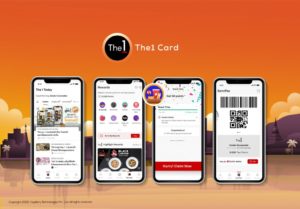
The1 claims to be Thailand’s largest loyalty platform that helps lifestyle brands and customers with its ecosystem of more than 1000 partners and 20000 service points. Several premium brands like Centara have leveraged and implemented successful Loyalty Programs with The1. One of the fantastic benefits The1 members get is the conversion of e-cash coupons & transfer of reward points to other members. See how the above-mentioned brands below implemented the The1 loyalty program.


Centara

Centara Hotel launched its The1 loyalty card on Valentine’s Day following the theme “Loyalty from the Heart.” The 4-tiered membership on this card lets the members strengthen their membership from Classic to Silver to Gold & Platinum Elite. As the membership progresses, customer members could progress towards better rewards like free room, upgrades, early check-in & checkout, pre-registration, and much more. The best deal introduced by Centara was a merger of existing Central- The 1 Card to Centara- The 1 Card that gave them first-hand reach to 4 million existing The1 Card users.


SPOT

SPOT- The1 counts in the list of other successful loyalty programs for Central Retail with 7.2 million members. The combination of 2 loyalty cards in one & Central Retail Corporation allowed its members to shop & claim points while shopping from their eight business units.  Its welcome pack comes for 1195 Baht, members can redeem points, and get cashback & cash vouchers. Additional advantages of The1 Card come in handy here to meet the demands of its members.


3. Esso Smiles by Esso Fuels

esso smiles retail rewards program thailand

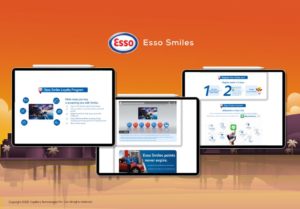
Esso Fuels Thailand runs numerous loyalty programs under the Esso Smiles. The major one is the Esso Smiles Driver Rewards program. The member can collect unlimited points on the card every time they opt to fuel up. The points are not only redeemable at fueling stations instead also in supermarkets, to shop for airline tickets, and while connecting with their alliance partners. They provide rewards for additional activities and exclusive promotions. Moreover, they offer free 24-hour roadside assistance to ensure no one gets stuck due to repairing issues. Esso’s services extend to the fleet businesses in Thailand, as they provide Esso fleet cards.


4. Coffee Club Thailand by Minor International PCL

coffee club thailand

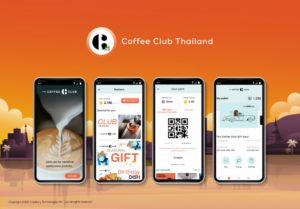
The Coffee Club Thailand is the digital wallet & loyalty app by Minor International PCL- one of the largest hospitality, restaurant, and lifestyle companies in the Asia Pacific Region. They offer a point-based loyalty reward system with a digital wallet to let the users instantly pay at the outlets in digital cash or with earned loyalty points. Their exclusive custom offers, birthday privileges, and premium gifts are meant to personalize the user experience of every club Rewards loyalty member.


Evolution of Customer Loyalty in Thailand

Turning first-time shoppers into loyal, repeat customers is often more rewarding—and cost-effective—than continually chasing new ones. When you focus on retargeting and loyalty-building efforts, you’re not just creating satisfied shoppers but transforming them into brand advocates. This ripple effect can significantly amplify your brand’s reach and reputation.

 
Capillary is your perfect partner to navigate this journey. Leveraging our robust Loyalty Solutions, powered by AI, ML, and Gen Loyalty, we help enterprises deliver seamless and lasting customer experiences. From hyper-personalized rewards to data-driven insights, our solutions empower you to foster deeper connections, boost retention, and drive sustainable growth.

 
Let’s discuss how Capillary can help your brand thrive in this dynamic market. Schedule a free consultation with our Loyalty Experts!


FAQs

  1. What are some of the top retail loyalty programs in Thailand?

    Notable programs include The 1 Card by Central Group, Tesco Clubcard, Boots Advantage Card, Big C Rewards, and Robinsons Rewards. These programs offer benefits like discounts, points accumulation, and exclusive member promotions.

  2. How do loyalty programs benefit retailers in Thailand?

    Loyalty programs help retailers increase customer retention, boost sales, and gather valuable consumer data. They also provide personalized marketing opportunities and enhance customer satisfaction through tailored offers.

  3. What makes The 1 Card popular among Thai consumers?

    The 1 Card is popular due to its wide acceptance across Central Group’s numerous retail outlets. Members earn points on purchases, receive exclusive discounts, and enjoy special promotions, making it a comprehensive loyalty program.

  4. How does Tesco Clubcard enhance the shopping experience in Thailand?

    Tesco Clubcard members in Thailand earn points on every purchase, which can be redeemed for discounts or special rewards. The program also offers personalized vouchers and exclusive deals, enhancing the shopping experience.

  5. How can Capillary Technologies improve retail loyalty programs in Thailand?

    Capillary Technologies offers innovative solutions to enhance retail loyalty programs, including personalized marketing, customer analytics, and seamless integration, helping retailers boost customer engagement and loyalty.


How Loyalty Programs Drive Profitability in Travel and Hospitality

The travel and hospitality industry is a battleground for customer loyalty, where businesses must constantly innovate to stay ahead. With travelers spoilt for choice, brands need more than just competitive pricing or seasonal promotions—they need a compelling reason for customers to keep coming back. This is where loyalty program software plays a game-changing role, turning one-time guests into lifelong patrons while significantly boosting loyalty program profitability.

 
A well-structured loyalty program is no longer just an add-on; it is a strategic asset that enhances customer retention in travel and hospitality and fosters long-term brand affinity. By offering frequent traveler rewards and personalized travel experiences, brands can create deeper emotional connections with their customers, leading to increased engagement and direct revenue growth. Let’s explore how some of the biggest names in travel and hospitality have leveraged loyalty software to drive sustained success.


5 Benefits of Loyalty Programs in Travel and Hospitality


1. Enhancing Customer Retention and Repeat Business

A well-designed loyalty program is a key driver of customer retention in travel and hospitality, encouraging travelers to consistently choose the same brand. By offering incentives like discounts, free stays, or exclusive access, these programs encourage customers to return, fostering repeat business. The resulting increase in customer lifetime value significantly boosts profitability.

 
Example: Marriott Bonvoy exemplifies the benefits of loyalty programs in travel and hospitality. With over 150 million members worldwide, this loyalty program offers numerous benefits, including room upgrades, free nights, and exclusive experiences. The program has not only increased customer retention but has also expanded Marriott’s portfolio through acquisitions, such as Starwood Hotels, further boosting its profitability.


2. Differentiating the Brand in a Competitive Market

With so many options available, loyalty programs powered by the right loyalty software helps brands stand out by offering exclusive benefits and personalized travel experiences that attract and retain customers. This differentiation not only increases bookings but also justifies premium pricing. Explore Capillary’s robust loyalty software – Loyalty+ and up your loyalty game.

 
loyalty+ platform

 
Example: Hilton Honors is a prime case of brand differentiation. Hilton’s loyalty program offers a “Price Match Guarantee,” assuring customers of the best available rate when booking directly through Hilton channels. This feature sets Hilton apart from its competitors and encourages travelers to choose Hilton for their stays.


3. Driving Higher Ancillary Sales

Loyalty program members often spend more during their travels, not just on accommodations but also on ancillary services such as dining, spa treatments, and activities. These additional expenditures contribute significantly to the industry’s profitability.

 
Example: The airline industry is a prime example of leveraging ancillary sales. Airlines like Delta offer their loyalty program members exclusive benefits, such as priority boarding, complimentary upgrades, and access to airport lounges. These perks drive higher spending on flight upgrades and in-flight services, substantially boosting ancillary revenue.


4. Leveraging Customer Data for Personalization

Loyalty programs provide travel and hospitality businesses with a treasure trove of customer data. This information allows businesses to personalize marketing efforts, enhance the customer experience, and make informed decisions regarding their offerings and strategies.

 
Example: Accor’s “ALL – Accor Live Limitless” loyalty program collects data on customer preferences, stay history, and engagement levels. This data helps Accor tailor its marketing campaigns, target specific customer segments, and create personalized offers, leading to higher customer satisfaction and repeat business.

 
Boost your customer engagement efforts with Capillary’s Engage+.

 
capillary engage plus


5. Reducing Distribution Costs Through Direct Bookings

Loyalty programs often encourage customers to book directly through the brand’s website or app. This not only reduces distribution costs associated with third-party booking platforms but also allows brands to build a direct relationship with customers, fostering long-term loyalty and repeat bookings.

 
Example: Choice Hotels’ “Choice Privileges” loyalty program offers an exclusive Member Rate for customers who book directly through their website or app. This strategy has not only decreased distribution costs but has also increased direct bookings, strengthening customer relationships and profitability.

 
Also, check out our fun read on Debunking Travel Myths.


Set Your Loyalty Programs Up for Success with Capillary

The benefits of loyalty programs in travel and hospitality extend far beyond short-term perks. They serve as a catalyst for customer retention, increased spending, data-driven personalization, and operational efficiency. As seen with industry leaders like Marriott, Hilton, Delta, Accor, and Choice Hotels, a well-designed loyalty strategy not only fosters deeper guest relationships but also drives measurable loyalty program profitability.

 
In today’s fast-evolving landscape, where travelers expect seamless, hyper-personalized experiences, leveraging AI-powered loyalty software is the key to staying ahead. Capillary’s Loyalty+ empowers travel and hospitality enterprises with next-gen loyalty program software, harnessing AI, ML, and generative loyalty to create dynamic, real-time engagement. From predictive analytics that anticipate customer preferences to personalized reward structures that keep travelers invested, Loyalty+ helps brands turn casual guests into loyal advocates.

 
If you’re looking to elevate your brand with cutting-edge loyalty program software, get in touch with our experts today and discover how Capillary’s Loyalty+ can help you stand out in this dynamic market.


FAQs


1. What are the benefits of loyalty programs in travel and hospitality?

Loyalty programs help travel and hospitality brands drive customer retention, increase loyalty program profitability, encourage direct bookings, and offer personalized travel experiences, enhancing overall guest satisfaction.


2. How does loyalty program software enhance customer retention in travel and hospitality?

Loyalty program software enables brands to create targeted rewards, analyze customer behavior, and personalize offers, ensuring travelers stay engaged and keep returning.


3. How do frequent traveler rewards impact brand loyalty?

Frequent traveler rewards like priority check-ins, room upgrades, and exclusive discounts incentivize repeat bookings and foster long-term loyalty in the travel and hospitality sector.


4. What role does AI play in loyalty program software for travel brands?

AI-driven loyalty software personalizes rewards, predicts customer preferences, and automates engagement strategies, making loyalty programs more effective and profitable.


5. How can travel and hospitality brands improve loyalty program profitability?

By integrating loyalty program software, businesses can optimize reward structures, encourage higher ancillary spending, and use data-driven insights to maximize loyalty program profitability.


How Loyalty Is Booming In The Middle Eastern Fuel Retail Market

64% of the world’s oil reserves come from the Middle Eastern region. Ironically, when it comes to forecourt businesses, each GCC country has taken a different pace. While the UAE and Qatar are on par with the US and European fuel stations, Saudi Arabia is still catching up. This contrast is surprising given Saudi Arabia’s massive reserves of over 260 billion barrels—the highest among GCC nations.


Part of this delay lies in shifting consumer trends within the Kingdom. With increasing female drivers and large players like ADNOC and Saudi Aramco expanding their reach, momentum is building. Meanwhile, the UAE and Qatar have raced ahead, driven by their population’s strong affinity for automobiles and a higher appetite for digital experiences.


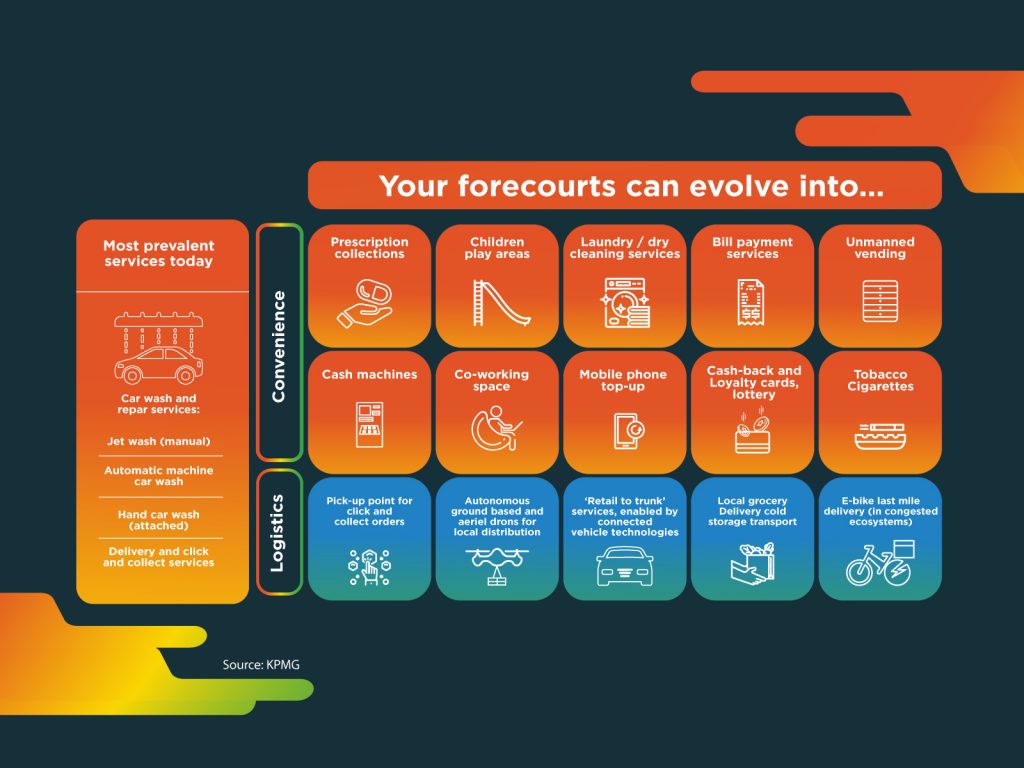
But petrol stations are evolving into more than just places to refuel. They’re transforming into multi-purpose lifestyle hubs—offering retail, personal services, delivery pickup points, EV charging, and more. At the heart of this shift? Loyalty programs. These programs are now central to shaping the modern fuel experience, helping brands differentiate in a rapidly diversifying market.


Let’s explore the loyalty trends fuel retailers in the region should prioritize:


1. Mobile Apps

Today, mobile apps are no longer a value-add—they’re a necessity. Fuel retailers can digitize the entire journey: from locating the nearest station via geolocator to using digital wallets, accessing real-time promotions, managing subscriptions for delivery services, and earning loyalty points.

As of 2025, there are over 200 million smartphone users in the Middle East, with mobile payment adoption reaching record highs, especially in the UAE and Saudi Arabia. A robust app with loyalty at its core gives brands a powerful way to build relationships and drive repeat visits.


2. EV and Sustainability

The push toward electric vehicles has accelerated significantly across the GCC. Saudi Arabia has committed to manufacturing over 500,000 EVs by 2030, while the UAE has already installed over 1,000 public charging stations.


What once seemed counterintuitive in oil-rich nations is now a national strategy. Forward-looking fuel retailers are not just setting up EV infrastructure but also using loyalty to reward sustainable behaviors, like using EV chargers, recycling at forecourts, or opting for paperless receipts.


In today’s climate-conscious world, brands that showcase transparency and take visible sustainability actions (via apps, loyalty dashboards, and physical infrastructure) are more likely to win trust and long-term loyalty.


3. Non-Fuel Retail Category


Customers today see fuel stations as convenient one-stop destinations, not just a pit stop. In fact, in a 2024 Bain report, 68% of fuel station customers in the Middle East said they purchase food, drinks, or services in addition to fuel.


From QSR tie-ups and mini marts to pharmacy kiosks and even wellness zones, non-fuel offerings are becoming key drivers of footfall. Loyalty programs can amplify this trend by offering cross-category benefits—for example, offering discounts on food purchases based on fuel volume, or earning reward points that can be redeemed across fuel, F&B, and car services.


As EV adoption grows and dwell time increases, ancillary services like car detailing, pick-up/drop logistics, and last-mile parcel services become high-value loyalty levers.


4. Fuel delivery


What began as a COVID-era innovation has now become a standard offering in the region. Brands like CAFU in the UAE and others in Saudi Arabia now offer scheduled or on-demand fuel delivery, bundled with app-based loyalty perks.


Consumers have grown accustomed to convenience-first lifestyles. Fuel delivery apps now go beyond emergencies—they offer subscription packages, membership tiers, and even combo deals on fuel, groceries, and services. Loyalty programs integrated within these apps can track usage, reward frequency, and gamify refueling behavior.


5. Data-driven marketing


Middle Eastern consumers are increasingly open to value-driven data sharing. In exchange for personalized offers, they’re happy to share location, purchase patterns, or preferences.


By 2025, over 75% of loyalty programs in the region will leverage AI-driven personalization (source: McKinsey Middle East Loyalty Trends Report, 2024). With robust CDPs, fuel retailers can now build dynamic loyalty journeys—offering hyper-personalized rewards based on time of visit, product preference, frequency, and even behavior across other retail formats.


Push notifications, personalized discount prompts, and AI-curated bundles based on lifestyle can drive both retention and basket size.


Are Middle Eastern Forecourts Future-Ready?


The future of fuel retail is undeniably tied to the future of mobility, and in the GCC, that means EVs, sustainability, and digitization. By 2040, sustainable mobility is expected to unlock a $400 billion opportunity across the region. While private vehicle ownership remains high, the shift toward shared mobility and EVs is inevitable.


For fuel retailers, this means evolving loyalty from a transactional model to an ecosystem engagement engine, rewarding not just refuels but a lifestyle. The forecourt of tomorrow won’t just offer fuel; it will offer value, experience, and relevance.

Want to future-proof your fuel loyalty strategy?


Get in touch with our experts to explore how your brand can stay ahead of consumer expectations—and become a preferred pit stop in your customers’ journey.

Fraud Detection Technology Helps You Run Bulletproof Loyalty Programs

Did you know there’s a hidden side to loyalty programs that’s causing quite a stir? While as a marketer, you might not view loyalty fraud as a direct threat to your campaigns, it’s becoming too significant to overlook. In the United States, there’s a staggering $140 billion in unspent loyalty points. Even more shocking? A whopping $3.1 in redeemed points are fraudulent, contributing to an estimated $1 billion in both direct and indirect losses from loyalty fraud. Here’s what’s happening and why it matters.


What is a Loyalty Fraud?

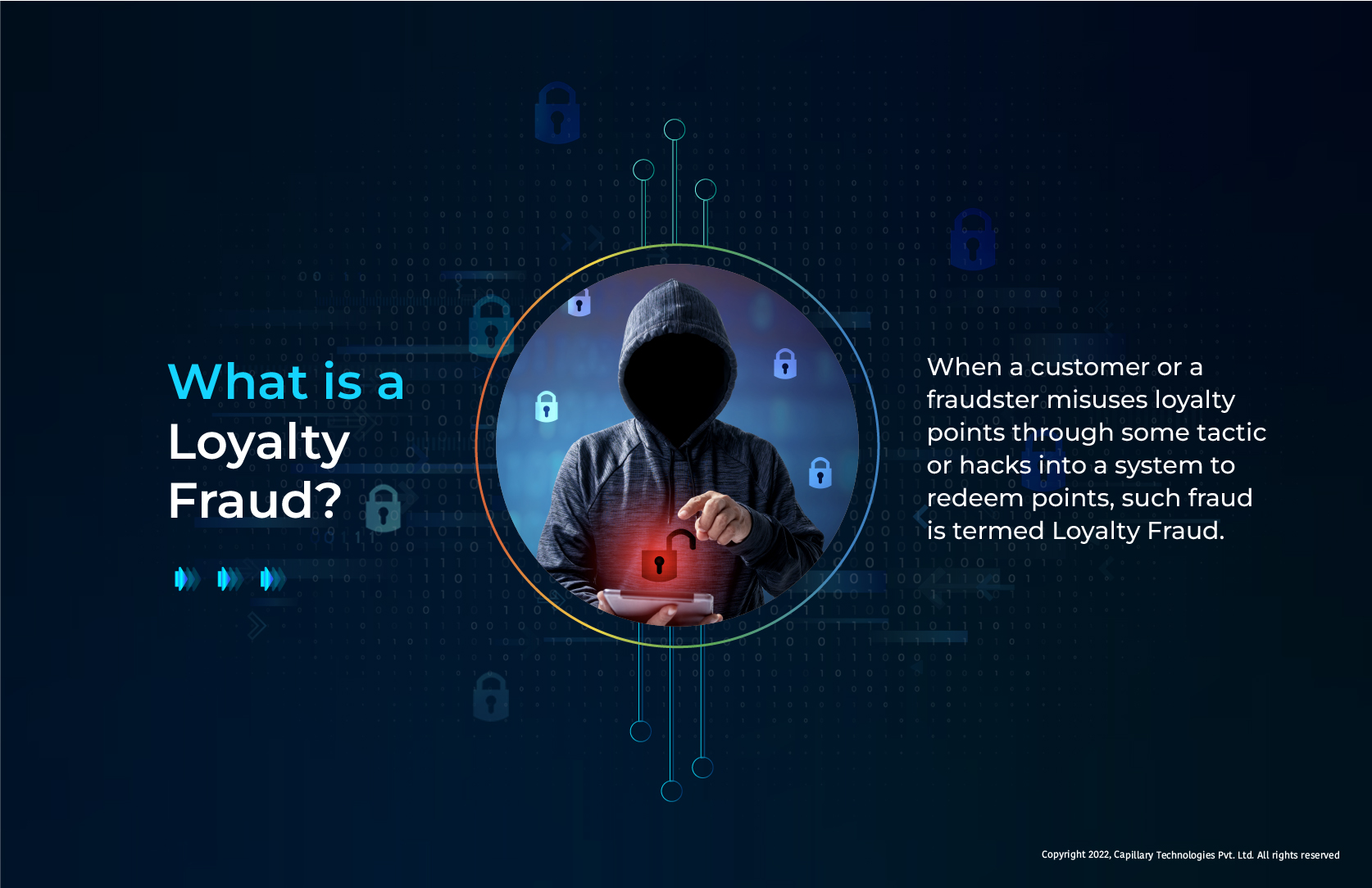
When a customer or a fraudster misuses loyalty points through some tactic or hacks into a system to redeem points, such fraud is termed Loyalty Fraud. There are several ways in which loyalty fraud can happen- sometimes a brand’s employees may be involved, sometimes it can be a hacker who hacks into a system of customer data, and sometimes it can be a group of people colluding to misuse loyalty points. 

What is Loyalty Fraud

To give a simple example, consider a situation where a cashier punches his/her own phone number in place of the customer’s and gets possession of the customer’s loyalty points. Apart from this, there are several online forums dedicated to teaching tricks on how to find loopholes in a brand’s loyalty program and take advantage. 


Types of Loyalty Frauds

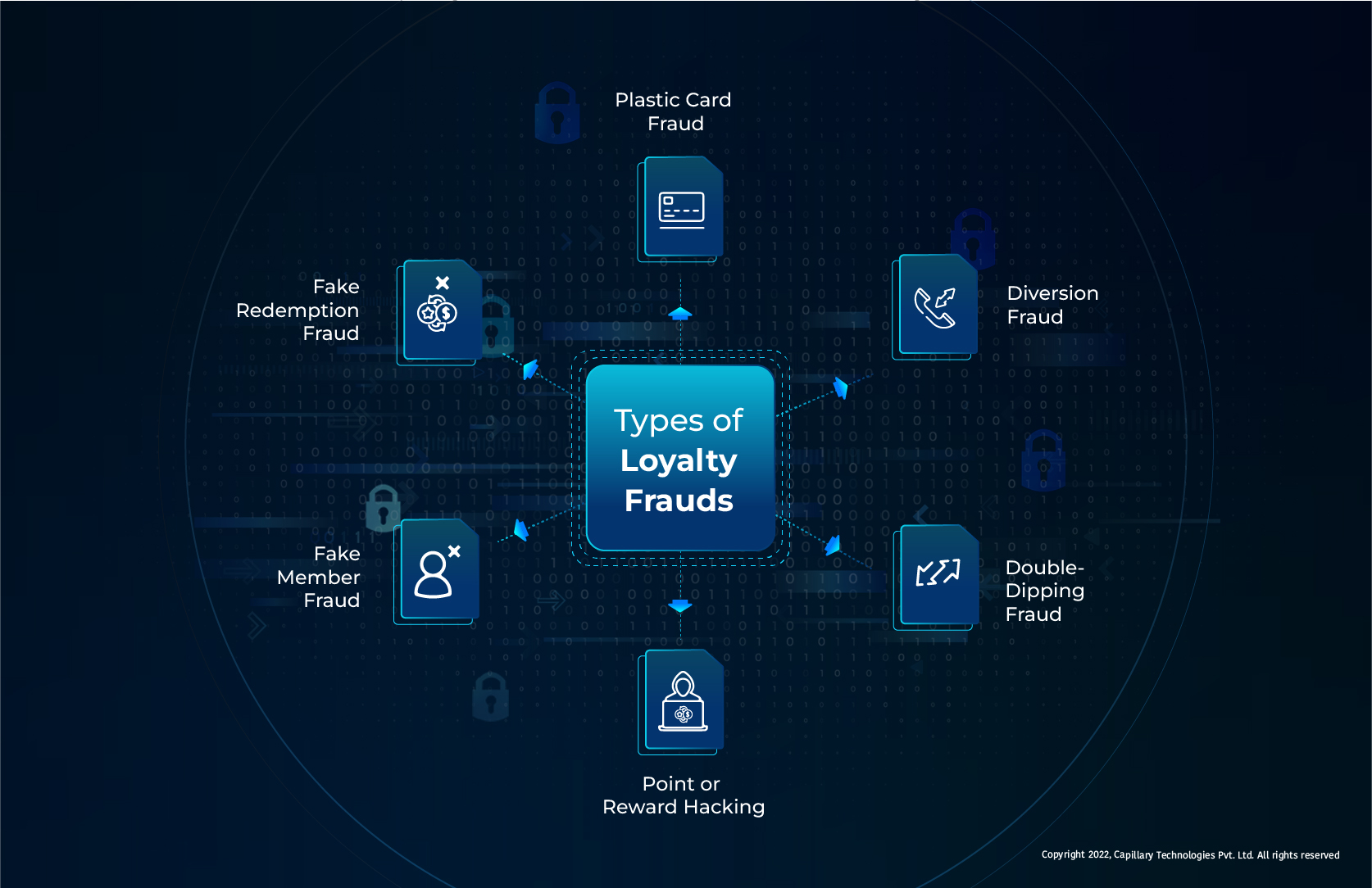
There are functional frauds and there are technical loopholes. Loyalty fraud can be classified into the following:

  1. Plastic Card Fraud:
    This type of fraud involves the fraudulent use of stolen or counterfeit payment cards to purchase goods or services.

  2. Diversion Fraud:
    This type of fraud occurs when an employee diverts loyalty points to their own account.

  3. Double-Dipping Fraud:
    This type of fraud occurs when a customer registers for the same loyalty program multiple times and earns points or rewards from the same purchase.

  4. Point or Reward Hacking:
    This type of fraud involves the unauthorized use of loyalty points or rewards to purchase goods or services.

  5. Fake Member Fraud:
    This type of fraud occurs when an unauthorized person creates a loyalty program account and earns rewards.

  6. Fake Redemption Fraud:
    This type of fraud occurs when an unauthorized person redeems loyalty points or rewards for goods or services.

Types of Loyalty Frauds

Loyalty Fraud Detection and Fraud Prevention

When it comes to reducing the impact of fraud, there are two aspects to look at – detection and prevention.

 
Loyalty fraud detection in loyalty programs is the process of identifying, analyzing, and mitigating fraudulent activity within loyalty programs. It is designed to detect, prevent, and respond to any attempts to misuse a loyalty program or earn rewards through fraudulent means. This involves analyzing and monitoring data points such as customer profiles, transaction history, redemption trends, and other behavior patterns to identify suspicious activity.

 
Fraud prevention in loyalty programs is the process of protecting customer accounts and data from fraudulent activities. This can include measures such as customer identity verification, monitoring customer accounts for suspicious activity, using customer data to identify potential fraud attempts, and using encryption to secure customer data. Loyalty fraud prevention helps to reduce the risk of customer data being stolen or manipulated and helps to protect customer loyalty and trust.


Preventing Loyalty Frauds with Capillary

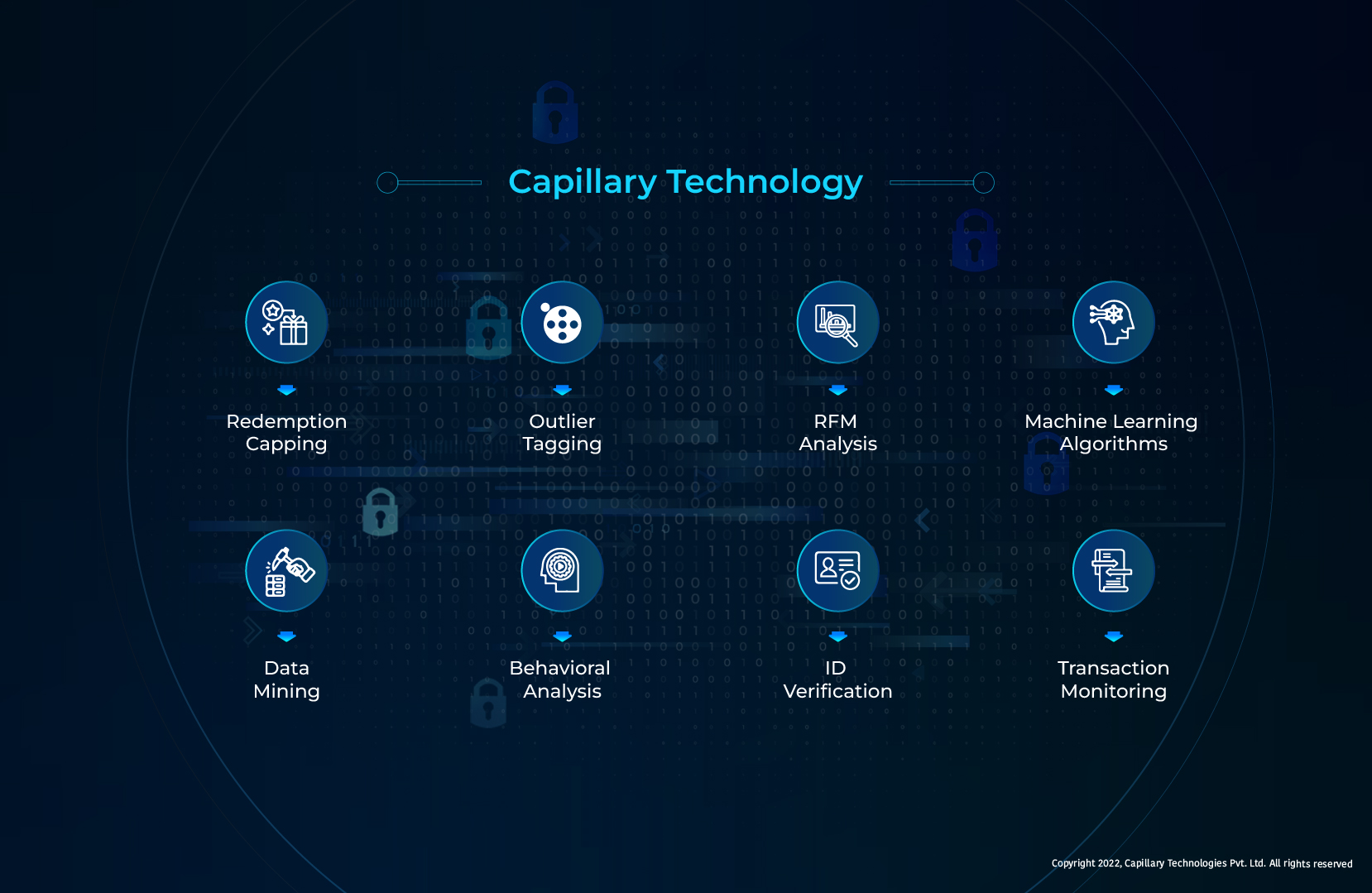
At Capillary, we’ve worked with 250+ enterprise brands across industries which has led us to build several frameworks that can help brands detect and prevent loyalty fraud. 

Capillary Technology framework loyalty fraud

  1. Redemption Capping:
    Fraud detection is all about pattern analysis. One of the simplest frameworks is around capping the number of points that can be redeemed in one go or capping the frequency of redemption. The Capillary system can help you make rules for the rate of redemption, the number of transactions per week, etc.   


  1. Outlier Tagging:
    On the basis of business semantics, a brand can define the upper and lower limit of certain data points. For instance, consider a retail brand that has an average ticket size of $25. From historical data, the minimum (say $1) and maximum (say $100) can be set and any transaction which is out of range would be flagged as an outlier and sent for review to the operations team. 


  1. RFM Analysis:
    RFM stands for Recency, Frequency, and Monetary. Recency is the time elapsed since the last purchase, frequency is the number of transactions in a particular time period, and monetary measures the value of purchases by a customer. The Capillary platform uses this methodology to detect fraud and help brands runs secured loyalty programs. 


  1. ML Algorithms:
    Machine learning algorithms can be used to detect fraudulent loyalty program activity. These algorithms can identify patterns in customer data that are indicative of fraudulent behavior.


  1. Data Mining:
    Data mining techniques can be employed to uncover fraudulent loyalty program activity. The Capillary platform can help uncover hidden relationships between customer data and fraudulent behavior, enabling brands to better identify and take action against potential fraudsters.


  1. Behavioral Analysis:
    This can provide insight into customer behavior, allowing companies to identify and address potential fraud. Capillary Nudges loyalty marketers to recognize loyalty frauds through these techniques and improve loyalty program efficiency. 


  1. ID Verification:
    ID verification technologies can be used to authenticate customer identities, ensuring that customers are who they say they are. This can help prevent fraudulent loyalty program activity and protect customer data.


  1. Transaction Monitoring:
    Companies can use transaction monitoring technologies to detect suspicious transactions. Transaction monitoring can help identify fraudulent transactions, allowing companies to take action to prevent further losses.


A Trusted Platform for Running Bulletproof Loyalty Programs

At Capillary, our commitment to enhancing loyalty program integrity is demonstrated through our comprehensive approach to loyalty fraud detection and prevention. We’ve partnered with over 250 enterprise brands globally, developing robust frameworks that not only detect but also thwart loyalty fraud effectively.

Leveraging Capillary ensures that your loyalty programs are not only rewarding but also secure and reliable. Let us help you protect your program’s integrity, so you can focus on building lasting relationships with your customers. Talk to our Loyalty Experts on how your loyalty programs deliver maximum value without compromise.


FAQs

What is loyalty fraud?
Loyalty fraud occurs when loyalty points are misused or stolen by hackers, colluding groups, or even brand employees through various tactics and security breaches.

What is loyalty fraud detection?
Loyalty fraud detection involves analyzing customer data and behavior patterns to identify, prevent, and respond to fraudulent activities within loyalty programs.

What is loyalty fraud prevention?
Loyalty fraud prevention safeguards customer accounts and data through identity verification, monitoring for suspicious activity, data analysis to detect fraud, and encryption to enhance security, thereby maintaining customer loyalty and trust.


Related Blogs

Balancing Trust and Security: How to Prevent Return Fraud Without Losing Member Trust

Propensity Models: Capillary’s Secret Sauce for Marketers to Predict Consumer Behavior

Data Privacy & Security Compliance from a Loyalty Program POV

In-store Personalization in Retail: Comprehensive Guide for 2025

The Gap in In-Store Personalization


2024 changes to 2025, and in-store personalization in retail is transforming the way brick-and-mortar stores compete in a rapidly evolving landscape. The continued rise of ecommerce—driven by innovations in technology, data analytics, and mobile accessibility—has set new standards for convenience, personalization, and value. Meanwhile, brick-and-mortar stores are no longer simply competing with online platforms; they are reimagining their role in a world where seamless, personalized experiences are the norm.


Personalization is no longer just an option; it’s a necessity for brick-and-mortar retailers aiming to stay competitive. By collecting and analyzing in-store and omnichannel data, retailers can create tailored experiences that delight customers, boost engagement, and drive revenue.


This guide outlines the top strategies and technologies shaping in-store personalization in 2025, helping retailers redefine the customer experience and stay ahead.


Why Retail Personalization is Vital for Brands


According to a report by Epsilon, 82% of respondents say they view a brand positively when they advertise a product that a person needs. This shows that retail personalization is a great way to convert a first-time customer into a returning customer and win their loyalty. Moreover, customers who shop online are used to this level of personalization and they expect a similar experience in a real-world situation as well.


A one-to-one retail experience is essential for retail personalization strategies. The key is to know enough about your customer’s information in the three tenses – past, present, and future.


  • Past: It’s important to know the customer’s history – what products they’ve searched, interacted with, purchased, their preferences, etc.


  • Present: Which zones of the store is the customer visiting? Which areas are does he/she stop at? What items hold his/her attention? Observing a customer’s behavior can provide valuable data.


  • Future: What are the products that the store stocks that can possibly interest a customer who is going to come in? What offers can you give the customer to entice them to make a purchase? What reward can you offer to a one-time customer to convert them into a returning customer? These are some of the questions that a business should always keep in mind.


In this manner, in-store personalization becomes a key part of the omnichannel strategy and omnichannel retailers will need to make the connection between a customer’s online experience and their offline journey through the brick and mortar store.


The Offline Retail Advantage


Customers prefer to be acknowledged in-store rather than via digital channels, an insight a Medallion Retail report points out. While ecommerce companies may have access to a vast database of user information, it is entirely possible that a user can get irked by an ad that feels too personal or invasive. In this way, in-store personalization is a good way to make a human connection with your customer and make them feel cared for.


It is important to train your staff in such a way that they are well equipped to handle your customers’ needs. In this way, in-store personalization sets the stage for an offline business’ omni-channel marketing success. It is the final step that works in collaboration with other steps such as loyalty programs and online shopping options in order to make the omnichannel marketing program a successful one.


Benefits of In-Store Personalization in Retail


From a brand’s point of view, in-store personalization can bring tangible results to a business in terms of higher customer engagement and conversion. A report by Infosys states that 59% of consumers who have experienced personalization believe it has a noticeable influence on purchasing decisions. The same report also states that a whopping majority of 92% of the consumers who are in a store, look to discover new products and are open to making impulse purchases even if it’s not on the agenda. In fact, consumers are three times more likely to make an impulse buy in-store rather than while shopping online.


Personalized Engagements with Precision Targeting

Access to data such as email IDs and brand preferences enable a business to tailor marketing efforts to suit their customers tastes. Beyond the marketing messages themselves, knowing what a consumer prefers enables a marketer to speak in the same language as the consumer – making the marketing exchange conversational and more personalized.


Boost Brand Loyalty

It is much more economical for a business to retain an existing customer than to acquire a new one. Taking the efforts to personalize the retail experience for a customer increases the chances of an incidental customer becoming a returning customer who is eventually loyal to your business and your brand. The end goal of a marketer is customer retention. Personalization is a powerful way of building upon the relationship that a customer has with a business and it contributes towards retention efforts in the long run.


Increase Digital Mindshare with Relevant Content

Knowing a customer’s preferences enables a brand to create content that resonates with its customers. For example, if a marketer has the knowledge that their target audience likes science fiction, then it becomes easier to create content in such a way that the target audience finds it engaging. Smart offline retailers are also using these digital data to further personalize the in-store experience for their customers.


Sync Offline and Online Customer Personas

Customers are more likely to associate with a brand and turn into returning customers if they interact with the brand both online and offline. 89% of buyers surveyed in the Infosys survey admitted that interacting with brands has some impact on their purchasing habits. Traditional retailers who are able to connect the online personas of their customers (e.g. – across social media, website, and app) with in-store browsing behavior will be in a position to offer hyper-personalized engagement across offline and online channels.


Make your Marketing More Impactful

We live in a world that’s densely populated with screens. In such a situation, there tends to be an information overload from brands who are trying to make their digital presence felt. When this is the case, brick and mortar retail stores have the advantage of getting the customer’s full and undivided attention in the store.


Implementing In-Store Personalization


  • The first step in implementing in-store personalization is to know your advantage over your competition.


The major advantages that brick and mortar stores enjoy over their online peers are tactile experience, human interaction and higher Average Order Values (AOV). To stay ahead and be relevant, retail stores will need to understand how to leverage each of these strengths.


Of these, higher Order Values is something that can be greatly enhanced through personalized recommendations based on the customer’s previous purchases and in-store behavior data collected through movement, dwell time and voice/sentiment analysis.


  • The second step is to understand your audiences’ preferences.


Once you have a pulse on your customer’s preferences, tastes, and requirements, then you will be better placed to accurately deliver what they require. Knowing exactly what your customers need also puts you in a position to deliver marketing messages of utility that they do not ignore. A retailer can also extensively use technology in order to create a personalized experience for the customer. The store can equip itself with augmented reality technology so that the customers can try on items in real time.


With Capillary’s AI-powered Insights+, brands can aggregate data seamlessly from across channels – online, in-store, and 3rd party sources. And get valuable, actionable insights which can empower your business to optimize store inventory and predict customer preferences in order to maximize sales and conversions.


  • The final step is to optimize staff deployment and empower them with customer insights


It is important that your sales staff is equipped to create a personalized in-store experience for your customers. Insights+ can help you optimize staff strength and set conversion goals based on store data. In-depth  analytics can also be used to schedule staff breaks and store maintenance at the ideal time in order to prevent losses and loss in sales.


Successful Retail Personalization Examples


  • Starbucks

Starbucks has a robust loyalty program that is personalized according to the users preferences and serves his needs. The loyalty program also comes with perks such as personalized offers for customers using the app and a free beverage on their birthday. Starbucks has access to customer data thanks to its loyalty app.  People are comfortable sharing their data via the app as they are aware of the kind of rewards it can yield. It’s a win-win situation for the business and for the customers.


  • Macy’s

Even though Macy’s is a department store that was first opened in 1858, they have quickly adapted their retail strategy to suit the digital age. Macy’s extensively uses big data to offer a smarter customer experience. They analyze multiple data points such as stock levels and price promotions. The analysis of these data points are further combined with stock keeping unit data for particular products at particular locations. Macy’s also closely studies customer data to ascertain which products sell well at which store location. They also study how frequently a customer visits a store and what style they purchase. This ensures that the products that they have in their stores suit the customer’s buying habits in each location. Using this data, Macy’s even offers incentives at the point of sale in addition to loyalty points and promotions. The data they collect also enable them to send directly targeted mail to their customers, hence enabling them to boost conversions.


  • Target

When you are a Target customer, you will be assigned a guest ID number after you interact with the brand for the first time. That ID is used to store data that is related to customer demographics. This ranges from ethnicity to job history and it is used to track buying behavior. Target realized that their consumer’s buying patterns remained largely unchanged unless a big event happens in their life – such as pregnancy. Target found that it could ascertain which of its customers were in their early stages of expecting a baby when they purchased things that they never previously considered – such as diaper bags or cocoa butter lotion. Once Target could ascertain those behaviors, it enabled them to provide their customers with special deals on baby-related items that were personalized and tailor-made to suit their requirements.


  • Abercrombie & Fitch

At a time when mall-based retailers are struggling to maintain numbers due to reduced footfalls, Abercrombie & Fitch is investing in their digital capabilities in order to ensure that they capture the millennial market. Abercrombie & Fitch are well known for their personalized email communications and their loyalty program. The retailer personalizes e-mails communications with the help of in-store and online data about styles and brands that the customers prefer and use. The retailer also encourages shoppers to use their mobile app and rewards their loyalty with loyalty points and other benefits.


Future of In-Store Personalization


Advancements in artificial intelligence, machine learning, and big data are poised to revolutionize the retail sector, particularly in personalization and the in-store customer experience. Retailers will likely be able to harness advanced computer vision technologies to analyze customer profiles as they enter the store. Additionally, voice analysis, emotional state detection, and facial recognition could allow for real-time insights. Creating more tailored and engaging shopping experiences by helping businesses predict purchase likelihood and assess the probability of return visits.

Same Store Sales: 6 Strategies to Drive Customer Engagement

For years, Same Store Sales (SSS) has been the go-to metric for retailers to gauge store performance. And for good reason—it offers an accurate picture of revenue growth while revealing insights into customer satisfaction and in-store experiences. But with today’s retail world brimming with fierce competition, ever-changing customer preferences, and the push toward digitization, focusing on the basics—like improving same-store sales—has never been more crucial. Let’s dive into why this metric still matters and how brands can leverage it to stay ahead.


So, what are Same Store Sales?

Same Store Sales or comparable-store sales is simply a sales comparison for a set of stores over a specific period. For instance, it allows brands to compare third-quarter revenue for 2019 with third-quarter revenue for 2017.  If the figures for the same stores have increased from the previous year, then it means that the company is moving in the right direction. So it is important for companies to keep an eye on same-store sales figures to gauge how well they are doing.


The Importance of Measuring Same Store Sales

Comparisons between existing locations and new ones help companies understand and learn business trends and shape critical strategies; for instance, making decisions around focusing on existing stores or going into expansion mode and opening new ones.

 
An increase in same-store figures is a good indication for investors because it helps them evaluate how well the company is doing in retaining its customers.  It also helps to boost the stock prices of a company. Whereas, a decline might indicate that customers are losing interest in their products or services or that new stores are cannibalizing business in existing locations.  SSS typically affects stock prices; and industry forecasts around the health and future success of a company.

 
Same-store sales also reveal missed opportunities; problem areas that can be worked upon and the type of process that can be set in place.  These figures also help market analysts to find out the effectiveness of retail management and if they are able to convert existing assets into revenue growth.


How to increase Same Store Sales

  • Know Your Customers

In today’s competitive world, it is extremely important to proactively know who your customers are, rather than being reactive and responding to customer feedback.  There are various in-store retail analytics solutions that will help you track frequent customers and the ones who spend the most. Loyal customers and repeat visits are critical factors in determining your same-store sales.

 
Analyzing in-store customer behavior using AI-powered footfall counters and empowering your store staff with clienteling solutions can further help you improve the in-store customer experience through personalized engagement strategies.  For example, if a frequent customer has fallen off the radar, your store staff can send them a personalized promotion to bring them back by making them feel important and valued.


  • Send Promotions and Personalized Offers

To increase in-store sales, you can send personalized offers to a targeted audience to increase footfall during a slump.  For example, if your business is slow in the second quarter, it might be a good idea to offer a 20% discount during this period to a select set of customers who have previously shown high purchase intent.  This could go a long way in increasing customer loyalty and same-store sales.

 
Customers like to feel appreciated and valued by their favorite brands. Promotional offers and exclusive promotions targeted at them can go a long way in increasing the Average Basket Value, besides increasing the frequency of visits to your stores. The key to successfully executing such personalized experiences is an AI-powered Customer Data Platform that combines and refines online and in-store data to build a Single View of the Customer.


  • Responding to Customer Feedback

Responding to customer feedback with immediacy is critical to the health of a company; and in terms of customer loyalty and increasing revenues over a period of time. If there is positive feedback, then it means that the business is moving in the right direction.  But, if the feedback is negative, it becomes important to address the concerns of customers positively. For instance, if there is continuous negative feedback about your staff, it becomes imperative to have a staff meeting and coach them about handling customers and also have a training program to address the performance gaps. 


  • Focus on the Quality

It makes perfect business sense to review your products and services periodically, to find out how you can improve, provide additional value to customers, and offer solutions that are innovative and creative.  It is important to evaluate your offerings and find out what is working and what is not and why. With advanced people counters, you can understand the demographics of your visitors like gender, and age so that you can tailor your products to appeal to a specific segment.  High-quality products and exceptional after-sales services will ensure a loyal and repeat customer, thus increasing same-store sales.


  • Hire the Right Staff

Investing in hiring the right staff who will do the actual selling of your products and services will have a major impact on your in-store experience.  They should love their job, be glad to be where they are, and know their products, like the back of their hand. Mike Eden, owner of the Ultra Gear Shop says “The staff should be knowledgeable and passionate about their products and should offer exceptional experiences to customers, the same as they have.  They should share their passion with confidence.”

 
Offer your employees training programs from time-to-time, to upgrade their skills and bring them up-to-speed with the latest in retail trends.  The staff should be able to identify customer needs, give them what they want, and show them value in their choices.  Brands should also invest in clienteling solutions and instant access to customer data via mobile apps for staff to help them track and engage with customers on an ongoing basis.


  • Understand & Adopt the Latest Trends

It is important to keep an eye on the latest trends and understand what your customer wants, what sells and what does not.  For instance, cashless checkouts, VR, and BOPIS are some of the recent trends in retail. If your store does not offer customer experiences that are in sync with current trends, there is a chance of your comparable store sales taking a hit. 

 
And more importantly, it’s important to understand what your customers are expecting from your brick-and-mortar stores. Is it the touch-and-feel aspect? Or personalized interaction? Or immediate delivery? Brands will need to understand the role of their brick-and-mortar stores in the overall omnichannel context and focus on enhancing the strengths of this channel. The more up-to-date you are with the latest trends, the better you will be in meeting customer needs, staying ahead of the competition, adding value, and staying relevant.


Drive Same Store Sales with Capillary

Most brands make the mistake of relying solely on promotions and discounts to drive same-store sales. But in today’s competitive retail environment, customer satisfaction and engagement play an equally critical role in boosting revenue and fostering loyalty. To truly improve same-store sales and maximize Customer Lifetime Value, brands need to focus on delivering personalized, engaging customer experiences, investing in the right infrastructure, and optimizing operational efficiency.

 
Ready to take your in-store sales to the next level? Connect with Capillary Technologies today and let us help you create strategies that drive growth and loyalty!


People Also Ask:

What are Same Store Sales?

Same Store Sales compare a brand’s revenue for the same stores over different periods, helping measure growth and gauge business performance.

Why are Store Sales important?

Same Store Sales comparisons provide insights into business trends, guiding strategies for expansion or focusing on existing stores, while also indicating customer retention, stock performance, and areas for improvement.

How can Capillary drive Same Store Sales?

Capillary facilitates enterprises in focusing on customer satisfaction, personalized experiences, and operational efficiency, key to nurturing brand affinity and same store sales.

Top 5 Successful Gamified Loyalty Programs In Asia

As we look ahead to 2025 in customer loyalty, one standout trend takes center stage, and that is gamification. Brands are realizing that by adding gamified elements to their loyalty strategies, they can stand out, engage customers, and boost customer loyalty. Gamification makes routine tasks thrilling, encouraging customers to interact more frequently, spend more, and willingly share valuable data. In fact, according to Formation, a striking 81% of consumers are ready to share basic personal information for a more personalized experience. 


Gamification also offers an excellent strategy for brands to target GenZ and millennial customers, who are going to be significant contributors to the brands’ overall business in the coming future.  To succeed with gamified loyalty programs, brands need to go beyond the ordinary and create something innovative and exciting. In this article, we explore the top 5  Asian loyalty programs that have mastered gamification, reshaped customer loyalty, and driven impressive business growth.


1. ‘The 1’ by Central Group

Central Group's Gamified Loyalty Program

The Central Group, a conglomerate based in Thailand, understands the importance of keeping customers engaged. Their loyalty program ‘The 1‘ takes loyalty to a whole new level. By combining big data, technology, and customer relationship management, they have created a digital lifestyle platform that connects customers with their business units and partners. Gamification is at the heart of ‘The 1,’ with the ‘The 1 Mission’ feature offering interactive challenges that unlock digital badges and points. This not only incentivizes engagement but also makes the program enjoyable for tech-savvy, value-conscious, and online shopping enthusiasts in the region.


2. KrisFlyer Singapore Airlines

Gamification SEA

Singapore Airlines’ KrisFlyer program has elevated the online shopping experience with “KrisFlyer Spree.” This feature enables program members to accumulate miles while making online purchases via the program’s portal, transforming each transaction into an engaging and rewarding experience. Additionally, the airline runs contests and games, such as quizzes and interactive campaigns, to keep members excited and motivated. These gamified elements make loyalty more than just accumulating miles, but creating a thrill in the journey.


3. GrabRewards by Grab

grabrewards gamification of loyalty programs

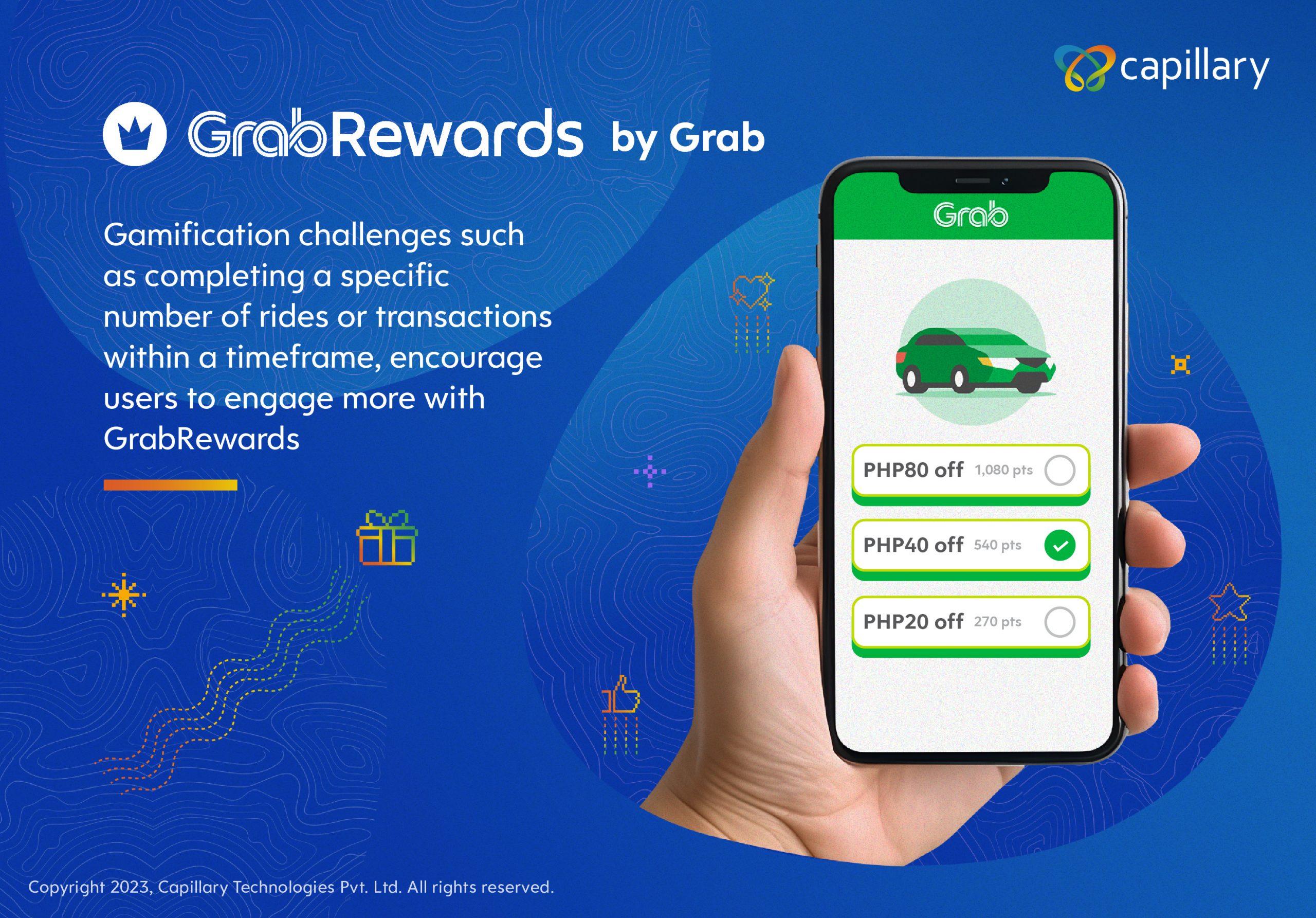
Grab, a prominent ride-hailing and delivery headquartered in Singapore, has integrated gamification seamlessly into its GrabRewards program. Gamified challenges and missions, such as completing a specific number of rides or transactions within a timeframe, encourage users to engage more with the platform. Users are further incentivized with tiered levels, each offering its own set of benefits. Limited-time promotions, interactive in-app games, and partnerships with restaurants and retailers add a layer of excitement to the entire experience. GrabRewards ensures that every interaction with the platform is an opportunity to earn rewards and progress.


Read more: Capillary’s Gamified Loyalty Program Design


4. Master Painter Loyalty App by Jotun

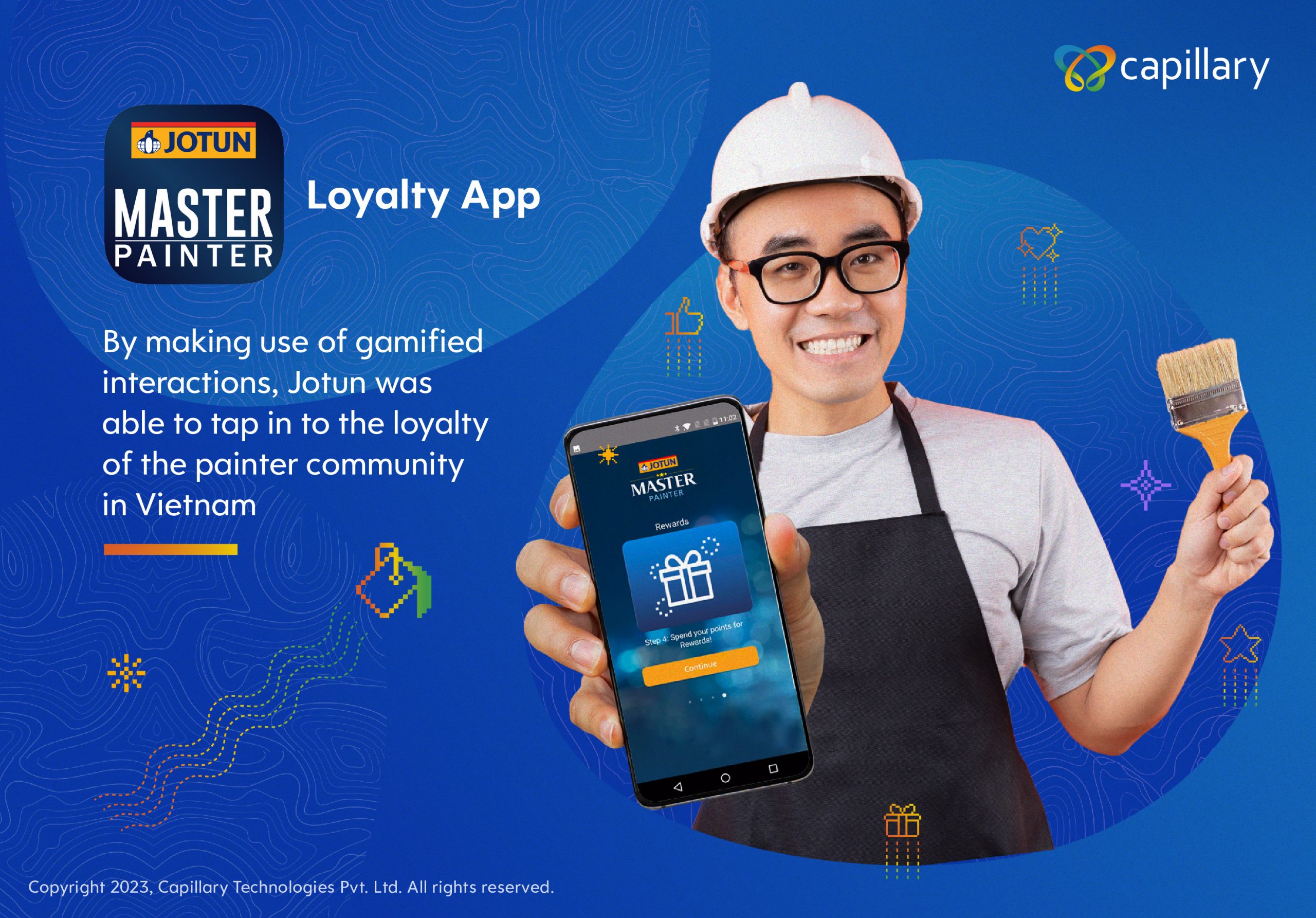
Jotun, a leader in the paint industry, recognized the potential of gamification and made it a part of their loyalty marketing strategy for the Vietnam region to reach and engage their targeted segment- the painter community in Vietnam. Their Master Painter loyalty app uses AI-based transformation to run gamification-led marketing campaigns. This approach has resulted in a remarkable increase in loyalty sales. By offering personalized offers and gamified interactions, Jotun successfully tapped into the loyalty of painters in the region.


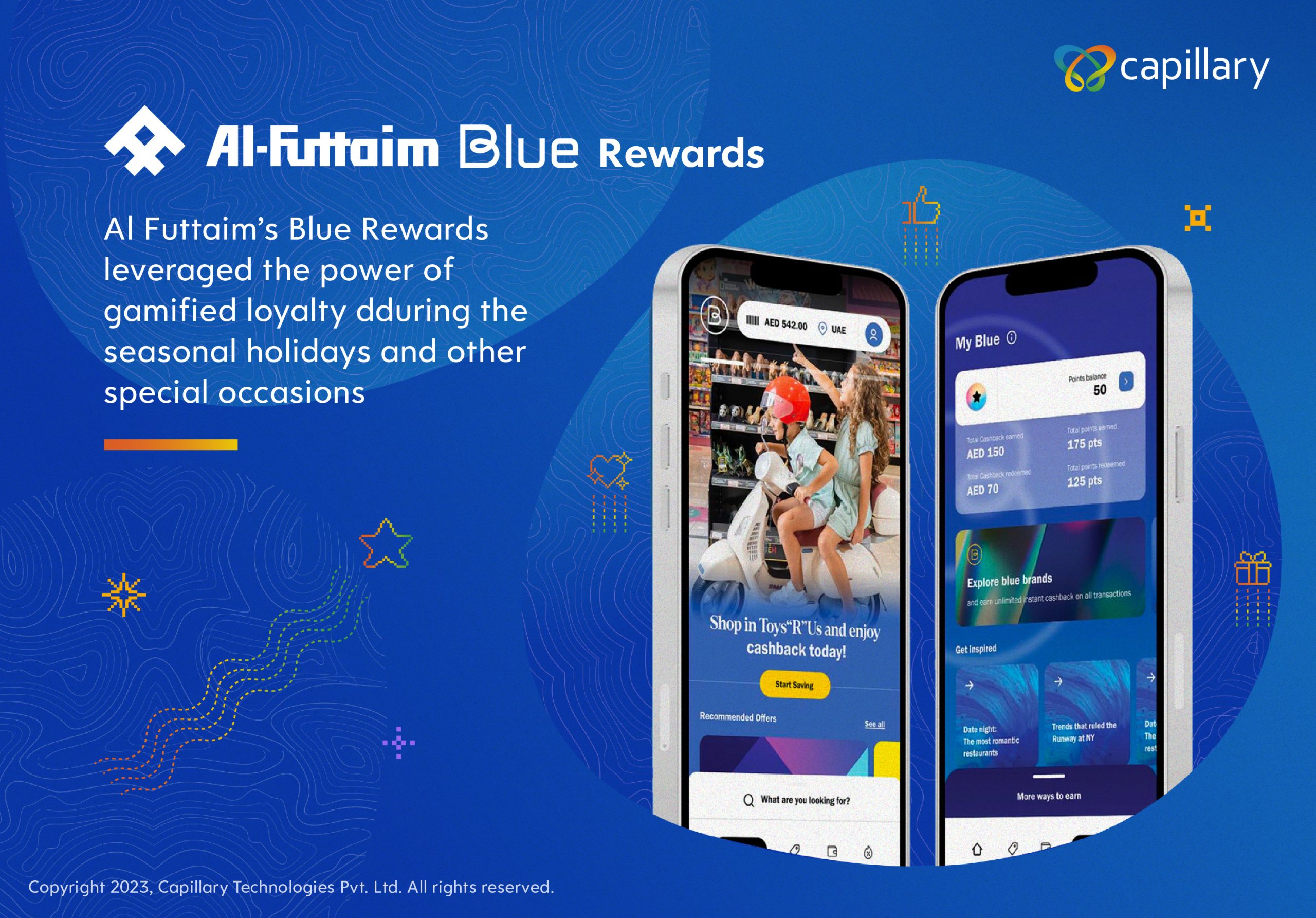
5. Blue Rewards by Al Futtaim

blue rewards gamification of loyalty programs

Al Futtaim is a very reputed Dubai-based conglomerate and their loyalty program, Blue Rewards has harnessed the power of gamified customer experiences during special events like FIFA and seasonal holidays. These initiatives led to a significant 15% increase in monthly active users. In-app skill-based games allow users to earn rewards, driving cyclical actions and purchase behavior. The delightful experience provided by these games keeps users engaged and loyal.


Conclusion

These Asian brands have embraced gamification as a potent tool to engage customers, foster loyalty, and drive remarkable sales. By integrating gamified elements into their loyalty programs, these brands have transformed routine transactions into exciting adventures. Whether it’s earning points, collecting stamps, or participating in challenges, gamification strategies have become the driving force behind customer engagement and loyalty in the region. 


Now, the question for brands is not whether to embrace gamification, but how to do it effectively. And that’s where Capillary Technologies shines as a trusted partner. We have worked with 400+ enterprises around the globe to create successful loyalty programs that incorporate all the latest trends and technology in the loyalty landscape, including gamification. Our expertise in the domain has resulted in remarkable results for these brands and we can help you with the same.


So, take the leap and trust in Capillary to drive your gamified loyalty programs to new heights. It’s time to captivate your audience, foster unwavering loyalty, and elevate your brand’s success.


Get in touch with our partner now.


FAQs:


What are gamified loyalty programs?

Gamified loyalty programs incorporate game-like elements such as points, levels, challenges, and rewards to engage customers. These programs aim to make the customer experience more fun and interactive, encouraging repeat engagement.


How do gamified loyalty programs benefit businesses?

Gamified loyalty programs benefit businesses by increasing customer engagement, enhancing user experience, and driving higher participation rates. They can also boost brand loyalty and encourage more frequent interactions with the brand.


What are some successful gamified loyalty programs in South East Asia?

Successful examples include Shopee’s Shopee Coins, GrabRewards by Grab, and Lazada’s games and challenges. These programs use gamification techniques to engage customers and reward their participation.


How can businesses implement gamified loyalty programs?

Businesses can implement gamified loyalty programs by integrating game mechanics into their loyalty platforms, designing engaging challenges and rewards, and using technology to track and reward customer interactions.


What are the key elements of a successful gamified loyalty program?

Key elements include clear and achievable goals, meaningful rewards, social sharing features, and regular updates to keep the program fresh and engaging. Ensuring that the gamification elements align with the brand’s overall strategy is also essential.

Mobile App Gamification to Boost Customer Experience

We all love games, just look around! From millennials playing Fortnite for hours on to gamblers losing all their money in casinos to even intellectuals solving crosswords, there are plenty of examples of how games can captivate us. In fact, gaming is the most popular habit of the digital age. There are over 2.8 billion mobile gamers worldwide as of 2024, and this number is only projected to go up. So it’s no surprise that businesses across industries are using mobile app gamification for enhancing customer experiences and establishing customer loyalty.


Brands are borrowing game strategies, for marketing and motivating customer behavior, using game elements like badges, scoreboards, points, levels, and more. Gamification is being used not just to attract new customers, but even in loyalty programs to retain customers and create a life-long bond.


In this article, we will explore how brands can deepen customer loyalty by enhancing gamification on their mobile apps. Our focus on mobile apps stems from the fact that more than 50% of online purchases today are happening on a mobile device.


Intrinsic Motivation


Before using gamification to enhance customer experience, brands must understand intrinsic motivation clearly as it is essential for creating sustainable engagement.


Intrinsic motivation is the drive to do something because it’s enjoyable or interesting, rather than for external rewards or recognition. One way to better understand intrinsic motivators is by using the Self Determination Theory, a universal concept that claims three factors create emotional motivation: autonomy, competence and relatedness.


  • Autonomy: Consider ‘autonomy’ as the freedom of internal will. No one likes to be forced to do something. When a person is autonomously motivated, their performance, wellness, and engagement is heightened rather than if they were told what to do


  • Competence: Competence is the motivation to control the outcome of a game and experience mastery


  • Relatedness: This is the need to interact with others, be connected to, and experience caring for others. People who are primarily motivated by ‘relatedness’ will seek out communities or other individuals to share their experiences and progress with


With this knowledge, let’s dive into some game mechanics to implement in your mobile app.


How To Implement Gamification in Apps


A graphic picture indicating how mobile app gamification leads to a rewarding customer experience and other benefits


Badges or Performance charts

It is important to have design elements in your app that complement your game’s objective. Badges are a visual representation of users’ achievements and can indicate their journey and performance within the app. Performance graphs show how the player performed in comparison with their previous results. These are intrinsic elements that can motivate users to grow their competency


Levels

Levels are implemented to create layers of complexity within the game, challenging the user to reach further. Reaching a new level is rewarding an earned proficiency


Scoreboards or Leaderboards

Scoreboards and leaderboards rank the players of a game to define the best performing for every activity. Unlike performance charts that show the performance of one user within a certain time period, a scoreboard shows the performance in relation to the performance of others. They allow users to gauge their performance against peers, and this encourages competitiveness among users.


Community

Companies that share the same values with their customers can build a community that improves the member’s trust and sense of belonging. However, for companies to build a community, they must build emotionally relatable products. That’s why many brands adopt a mobile CMS to enable timely updates, support community-driven content, and integrate user-generated feedback, helping them stay closely connected with customers throughout their journey.


Goods

In an app economy, users earn points to spend. The goods purchased with points can have real-world value, but digital goods that have no value outside of an app are also satisfying to users. For example, digital goods that allow the user to express their creativity, like allowing a user to change the color themes of the app or uploading a custom background.


Uncertainty

While most companies today are already using some form of reward systems in both customer and employee engagement strategies, not a lot of companies are adding the element of uncertainty to it. A recent study in neuroscience reveals that making rewards variable skyrockets our dopamine and supercharges attention stating that it’s not about pleasure from a reward but the anticipation of pleasure. Simply encouraging consumers to engage with an app in return for standard points is a dull game.


Challenges and achievements

Challenges are generally represented by goals. Users like to feel like they have a mission when using an app. Achievements are proof of completing a challenge. Digital badges or trophies don’t have monetary value but are effective when shared via social media.


Gifting

Gifting is a prodigious game mechanic that can be applied to almost any sort of app. Being able to send a digital gift, such as points you’ve earned, encourages a relationship between the giver and the receiver, and pulls the receiver into the app to redeem the gift.


Customer Experience Benefits Of Gamification


Brands can learn more about what incentivizes consumers by understanding their behavior to extrinsic and intrinsic motivators. Understanding customers’ behavior and inclination to specific game mechanics can be better understood using A/B tests; for example, understanding a customer’s motivation by offering the choice between a Discount versus a Spin-The-Wheel chance to win event tickets.


The fascinating study of games on our psychology shows that there are multiple reasons why people are addicted to games.


  • An element of self-determination. Games allow the user to take control of their journey
  • An element of curiosity. A good game will motivate the user with curiosity. The user will keep moving forward and engaging with the game
  • An element of competition. Humans are social creatures and are often driven by competition. Games that offer interaction and competition with other players motivate users to master the game.


Because of this an increasing number of brands are rightfully taking a mobile-first approach to loyalty programs— that is, starting product design from the real-estate restricted mobile interface, before expanding features to tablet and desktop versions. Growing engagement on mobile apps is often a direct indicator of revenue, and the time users spend on the app has a direct correlation to the bottom line.


App Gamification Examples

A picture linking gamification and it various aspects

Zamzee

Zamzee Kids uses an activity tracker to track kid’s steps and health, with a fun website to get people motivated to move more. Zamzee’s ingenious solution – a portable accelerometer and matching gamified social online system – is getting otherwise sedentary kids to exercise the equivalent of an incremental marathon per month. Zamzee does this by offering patently extrinsic rewards (points, badges, leaderboards, free stuff) that feed a core intrinsic desire: every kid’s craving for agency and self-determination – not necessarily the drive to be fit.


Goibibo

Goibibo has gamified their app with India’s evergreen love: Cricket. The app introduced goCashFest, where users can earn GoCash by keeping their Goibibo app open during all Mumbai Indians matches. By using the app while the team plays, users win GoCash for each 4s, 6s, 50, 100, wickets, and wins during the match. This goCash is valid until the next Mumbai Indians match and can be used to make bookings on Goibibo.


Bakmi GM

Bakmi GM* is a marquee fast food chain that serves over 30,000 customers per day in Indonesia. Bakmi GM built a microsite and a mobile app that uses gamification to obtain enriched customer data. In return for completing their profile information, customers/users receive a chance to #SpinTheWheel and win gifts, cashbacks, or offers in exchange from the brand. Strategies like this allow brands to drive greater personalization and create more meaningful micro-segments of customers based on product affinity, billing history, profile information, etc. In addition, Bakmi also has a rich rewards catalog available on the mobile app, allowing customers to easily select their rewards.


*Capillary is proud to partner with Bakmi GM for this initiative.


Starbucks

The coffee chain has done an excellent job of keeping customers engaged with challenges and achievements. They use challenges like getting customers to check-in at different retail stores in order to unlock an achievement. The loyalty app sends customers push notifications when they’re close to reaching the next tier of the program. By using reminders like “you’re only two coffees away from a free muffin this week”, Starbucks encourages customer engagement with a subtle sense of urgency.


Candy Crush

Candy Crush offers customers the capability to share their loyalty status and “achievement badges” on social media, which led to heightened awareness about the game and leading to its massive popularity. One of the key contributors to the success of Candy Crush was the free social media promotion the game experienced through existing players posting their scores. Retail brands can use similar strategies like photo competitions, offering rewards, or unlocking discounts when customers share their love on social media.


Wrap Up


Mobile app gamification can greatly enhance customer experience, improve stickiness, and drive meaningful engagement by creating different challenges to encourage different consumer behaviors. Trends in brand loyalty and customer retention are constantly evolving and advancing — yet the history of games and its close ties with human psychology makes it clear that ‘gamification’ is more than a buzzword. It is here to stay.

How Grocery Brands in APAC & MEA Are Winning with Loyalty Programs

With grocery sales projected to increase by 24.01% from 2023 to 2029, reaching nearly USD 629.76 billion, several major grocery brands in APAC and MEA face the challenge of standing out in a crowded market. A grocery shopping rewards program has become a powerful differentiator, helping supermarkets retain customers while enhancing their shopping experience.


What is a Grocery Store Loyalty Program?

A grocery loyalty program is a strategic initiative that rewards customers for repeat purchases, whether in-store or online, through incentives like discounts, cashback, or exclusive deals. These programs not only enhance customer retention but also drive engagement through grocery app rewards and digital experiences. Explore how Capillary’s Engage+ can up your customer engagement game.

 
capillary engage plus

 
In this article, we’ll explore the best grocery loyalty programs in APAC and MEA that are setting the benchmark for customer loyalty and personalized shopping.


The Best Grocery Loyalty Programs in APAC and MEA


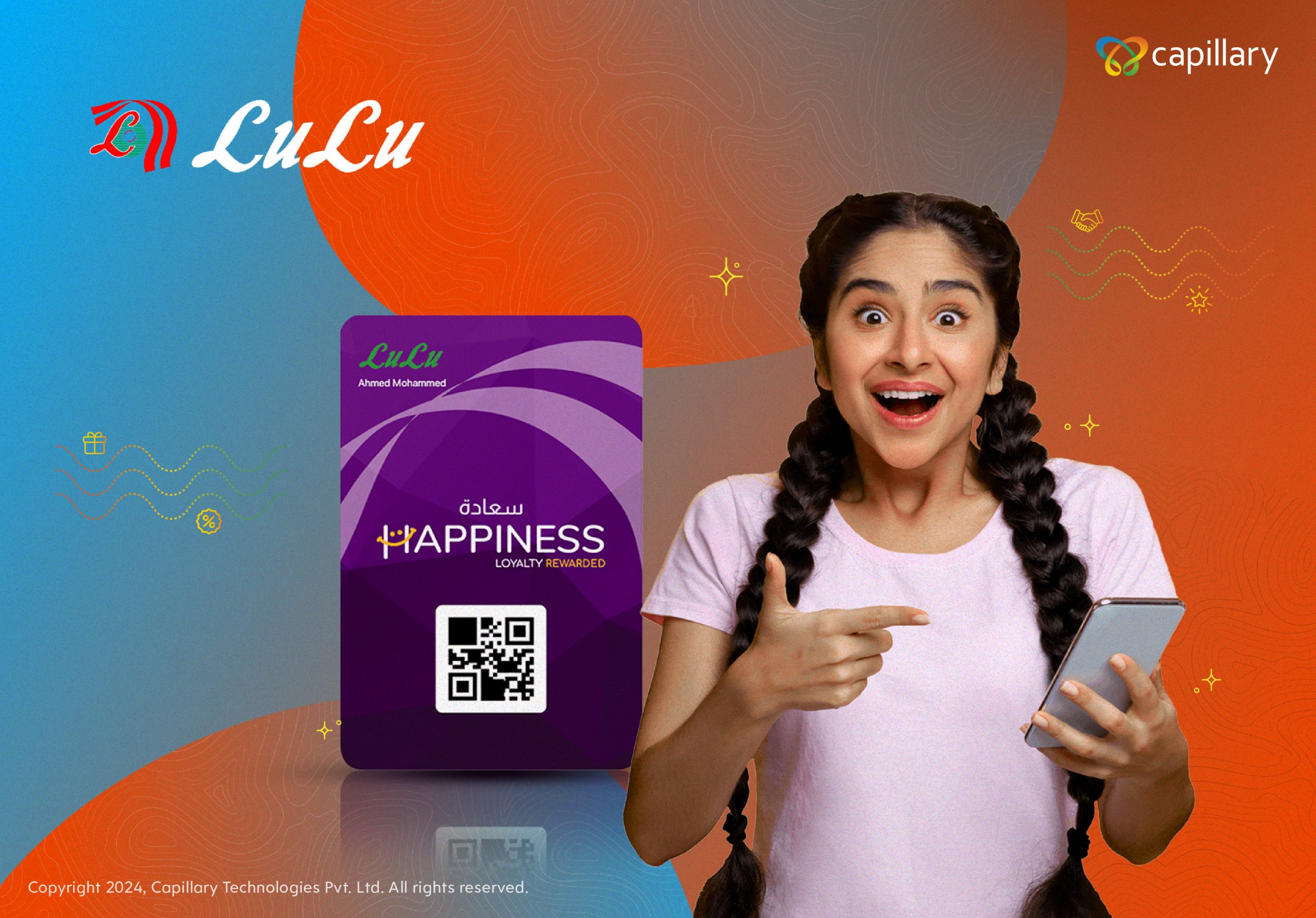
1. Lulu Happiness Program – UAE

Lulu Hypermarket-grocery loyalty program

 
With over 500 branches across the UAE, Lulu Hypermarket has built one of the most popular retail loyalty programs in the Middle East. The Lulu Happiness Program offers shoppers instant discounts and promotional deals while rewarding them for every dirham spent.

 
Customers can join the program online via WhatsApp or the website, making it incredibly accessible. The program follows a tier-based system, offering birthday rewards and exclusive privileges to loyal members.

 
To enhance customer experience, Lulu has also integrated a mobile app, enabling users to track transactions and rewards in real time. A well-structured loyalty program software allows Lulu to explore advanced features such as gamification and hyper-personalization, ensuring long-term engagement. Check out Capillary’s robust loyalty software – Loyalty+.

 
loyalty+ platform


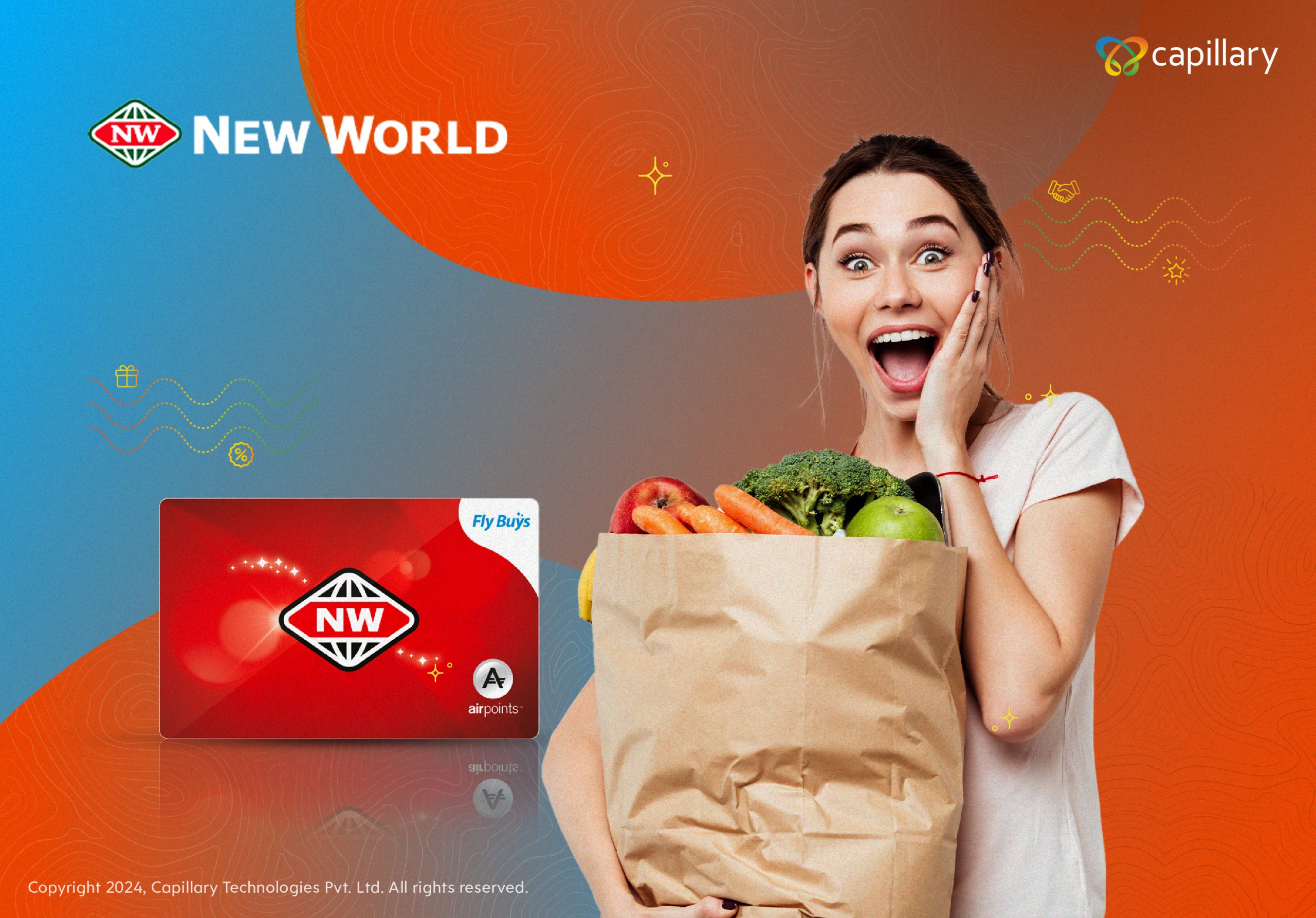
2. New World Club Card – New Zealand

Asia Grocery Loyalty Program

 
New World Club Card in New Zealand offers special discounts exclusively to its members. What sets this program apart is its gamification aspect, where customers can participate in exclusive competitions, adding an element of excitement to their shopping experience. 

 
According to a recent study, 60% of the customers who interact with gamified elements typically make a purchase. These statistics work in favor of New World Club Card who use gamification to drive their business and also engage their customers. 

 
New World Club Card also leverages coalition loyalty features and allows its members to enjoy unique discounts through Club Deals and have the choice to earn Flybuys or Airpoints Dollars™. This program effectively combines savings and entertainment, making it a hit among New Zealanders.

 
Here’s how you can use coalition loyalty for your business


3. Amazon Fresh – India

Grocery Loyalty Program

 
Amazon’s Prime subscription is globally recognized, and Amazon Fresh, its online grocery store, extends Prime benefits to budget-conscious Indian shoppers.

 
Given that 50% of Indian consumers pre-plan their grocery purchases, Amazon Fresh leverages this behavior by offering discounts and free delivery to Prime members. With availability in over 50+ Indian cities, including Tier 1 and Tier 2 markets, the program is redefining convenience in grocery shopping.

 
By understanding customer behavior and making it a significant part of its strategy, Amazon Fresh was able to become a reliable and successful grocery loyalty program across the country. 


4. Cold Storage’s Yuu Rewards Club – Singapore

Yuu Rewards- Grocery loyalty

 
Cold Storage, a well-established supermarket chain in Singapore, had recently shifted from its previous loyalty program Cold Storage VIP to a newer version by coming under Yuu Rewards Club. This strategic move by Cold Storage has significantly expanded the horizons of their loyalty program, bringing a new level of experience and value to their customers. Cold Storage uses important regional festivals like Chinese New Year to give more offers to its customers. One such offer is free goodies from Cold Storage for a minimum spent of $50 if the customer connects their credit cards with their Yuu Rewards account. Another option is for customers to be able to earn more points during the festival time, encouraging them to make more purchases from Cold Storage. 

 
Since Yuu Rewards Club has close to 1000 popular brands under its umbrella, it offers a robust coalition loyalty program. This coalition approach offers consumers of Cold Storage greater convenience and flexibility as they can now redeem their points across an array of Yuu partner brands. 

 
The co-branded credit card issued in partnership with DBS banks makes it easier for members to collect points faster. 


5. Everyday Rewards (previously Woolworths Rewards) – Australia

Grocery Retail Loyalty

 
With a staggering 14 million members across Australia, Everyday Rewards has captured the loyalty of the whole nation. The program’s simplicity and transparency are its strengths. Members earn a minimum of 1 point for every dollar spent, and they can easily boost their points through the Points Booster feature. 

 
The program allows flexible redemption options, including discounts on future shopping, options for Christmas savings, and even Qantas frequent flyer program points. The program also allows reward redemption at multiple touchpoints, including both offline and online store checkouts. 

 
Everyday’s mobile app makes it more convenient for users to earn and redeem rewards and even track their point balances. The digital wallet in the app feature makes transactions easier than ever for their loyal members. 

 
Everyday Rewards has set the gold standard for loyalty programs in Australia.


The Growing Impact of Grocery Loyalty Programs in APAC and MEA

As the grocery industry in Asia-Pacific and the Middle East continues to expand, retail loyalty programs have become essential for brands aiming to retain customers and foster long-term relationships. The programs we explored demonstrate how leading supermarkets are integrating loyalty program software, personalized rewards, and digital innovations to keep shoppers engaged.

 
From gamified experiences and mobile-first strategies to coalition partnerships and AI-driven personalization, these grocery shopping rewards programs are setting new benchmarks for customer retention.

 
To stay ahead in this dynamic landscape, grocery brands must go beyond traditional discount-based models and embrace data-driven, omnichannel loyalty strategies. At Capillary, we provide cutting-edge loyalty software that helps supermarkets and grocery brands create high-impact, customer-centric programs that drive real business results.


FAQs


1. What makes a grocery loyalty program successful in APAC?

A successful grocery loyalty program in APAC offers personalized discounts, seamless mobile app integration, and strategic payment partnerships to create a rewarding shopping experience.


2. How can grocery stores in the Middle East enhance customer loyalty?

By offering exclusive member discounts, localized promotions, and engaging digital experiences, grocery stores can boost customer loyalty in the Middle East.


3. Which grocery loyalty programs lead in customer engagement in the UAE?

Carrefour MyClub and Lulu Hypermarket’s Lulu Points offer tailored promotions, cashback options, and tiered rewards to enhance customer retention.


4. What are the key elements of a strong loyalty program for grocery retailers in India?

A robust grocery loyalty program in India must include AI-driven personalization, digital wallet integration, gamification, and festive discounts to keep customers engaged.


5. How do loyalty programs benefit grocery retailers in Singapore?

Loyalty programs help grocery retailers in Singapore by increasing customer retention, providing valuable shopper data, and enhancing shopping experiences with exclusive rewards and discounts.